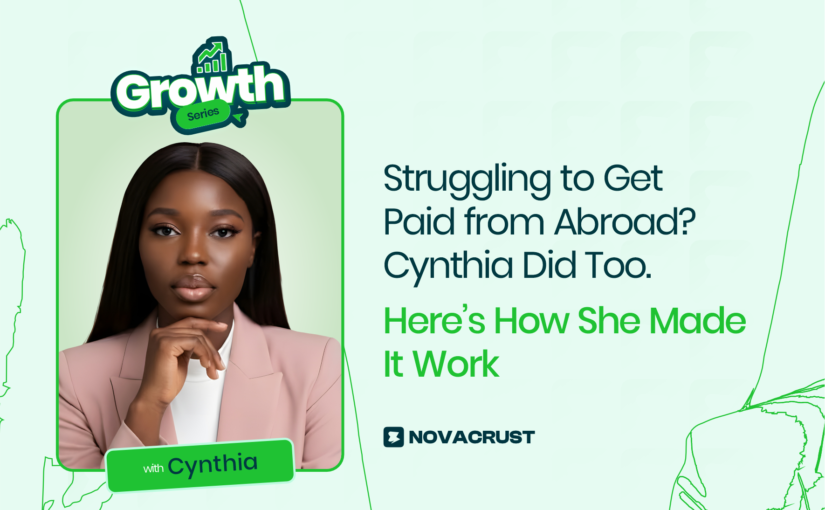
From unpaid gigs to managing international clients, Cynthia shares the lessons, struggles, and solutions that helped her build a global freelance career
Can you briefly introduce yourself and tell us what you do?
I am Cynthia Ozumba, an Executive Operations Assistant and an Online Business Manager (OBM). I help brands with systems, automation, and coaching.
I work with clients across different parts of the world, offering services like administrative support, virtual assistance, and system optimization.
I started with writing and social media management, but over time, I transitioned into operations and executive support, which is my current focus.
How did your journey into the digital or creative space begin?
My journey began with writing for coaches creating copy for seminars, courses, and marketing campaigns. I realized I could help clients manage their online presence while building my own skills.
From there, I transitioned into social media management and virtual assistance. I noticed I could scale my services and offer more value to clients. Over time, this led me to become an Executive Operations Assistant, managing multiple international clients with diverse needs.
What first inspired you to start building your career online?
I realized that even posting once a week on LinkedIn or Facebook could resonate with people. I would get questions, DMs, and requests for advice.
I thought: Why hide my journey when I can actually build a brand around my experience and knowledge?
So I started sharing my insights, my career path, and what I was learning. My goal was to create a space where people could gain knowledge and experience to succeed in their own online careers.
What were some of the biggest challenges you faced when you were just starting out?
Starting out came with many challenges:
- Confidence: I struggled to present myself well in interviews, especially with international clients. Sometimes my speech would falter, or I would feel unsure of myself.
- Positioning: Being Nigerian presented its own hurdles. Many clients and platforms had doubts about hiring talent from Africa, so I had to prove my skills and professionalism.
- Payment issues: In the early stages of my journey, there were limited options for receiving international payments. I had to manually arrange payments through platforms like Payoneer or bank transfers, which wasn’t always smooth.
Despite these challenges, I stayed consistent, learned quickly, and kept improving.
Was there a particular moment or opportunity that really changed things for you?
Yes. One breakthrough came when a client reached out after seeing my comments on LinkedIn. She needed temporary help because she was about to have her first baby. I took a three-week assignment, and that became my first real international paid experience.
Before this, I had done volunteer work or small local gigs. That opportunity gave me credibility, confidence, and a portfolio that opened doors to other international clients.
Many young Africans want to work online today. From your experience, what do you think is the biggest mistake beginners make?
The biggest mistake beginners make isn’t always a lack of skill it’s:
- Poor positioning: They know the work but can’t package themselves for clients.
- Seeking quick money: Many expect high pay without putting in consistent effort.
- Underestimating perception barriers: Being from Africa, clients may question reliability or skill.
Beginners often focus on the wrong things instead of building their brand, skillset, and visibility.
Have you ever had moments where things were slow or discouraging? How did you push through them?
Absolutely. There were months when I applied for multiple jobs without getting any offers. At times, I faced rejections or limited opportunities.
I pushed through by keeping a mindset of persistence: treating every “no” as data, not failure. I reminded myself of my skills and value, kept learning, and diversified the platforms I applied onUpwork, LinkedIn, Contra, GetMagic, etc.
Have you worked with international clients or global teams before?
Yes, I have worked with clients across different countries including the UK, USA, Germany, Australia, and Canada.
What has that experience been like for you?
Working internationally gave me exposure I couldn’t have gained locally. I’ve learned how to manage people, work across different time zones, and adapt to different communication styles. It has helped me grow professionally and understand how global businesses operate.
One challenge many freelancers face is getting paid by international clients. Have you ever experienced any issues receiving payments from outside your country?
Yes. Early on, payment issues were a major challenge. Platforms were limited, and clients often had difficulty sending money.
How did you handle those payment challenges at the time?
I arranged alternative payment methods manually Payoneer, bank transfers, and later, platforms that simplified receiving USD or crypto payments. I learned to communicate clearly with clients and provide multiple payment options.
In your opinion, how important is it for freelancers and digital creators to have access to a reliable dollar payment account?
It’s crucial. Reliable dollar accounts allow freelancers to receive payments quickly, manage earnings, and work confidently with global clients without worrying about lost or delayed payments.
Do you think payment limitations affect how African freelancers work with global clients?
Absolutely. Payment restrictions limit opportunities, reduce trust, and can discourage talented freelancers from pursuing global work. Having access to platforms that make payments seamless is a game-changer.
Platforms like Novacrust are trying to make international payments easier for freelancers and digital service providers. What are your thoughts on solutions like this?
I think platforms like Novacrust are excellent initiatives. Linking accounts from Upwork, Fiverr, and other platforms allows freelancers to receive international payments easily, even in Nigeria. This reduces barriers, improves trust, and empowers African freelancers to compete globally.
If someone wants to start working with international clients today, what are a few things they should prepare for?
- Get a high-income skill: Focus on skills clients need, not what friends suggest.
- Optimize your profile: LinkedIn, portfolio, and resume should be professional.
- Build a strong portfolio: Clients decide based on what they see, not personal meetings.
- Give it time: Treat “no” as data, not failure.
- Diversify platforms: Don’t put all eggs in one basket—Upwork, LinkedIn, Contra, GetMagic, etc.
- Set boundaries: Protect your time, respect yourself, and gain hands-on experience.
What keeps you grounded when the journey becomes difficult?
My “why.”
I constantly remind myself of the reason I started, the goals I have, and the kind of life I want to build. That purpose keeps me going even when things get difficult.
If you could go back and advise your younger self at the beginning of your career, what would you say?
- Don’t be afraid to ask for help.
- Don’t be ashamed of charging your worth.
- Build confidence and put yourself out there, even for small opportunities.
Finally, what one honest truth would you share with young creators and freelancers in Africa who want to build a global career?
Imagine being awake while your own country is asleep. Opportunities abroad require consistent effort, patience, and resilience. Focus on building skills, positioning yourself well, and creating value. Success doesn’t come overnight, but if you stay persistent and confident, you can compete on a global level.
Cynthia’s journey proves that resilience, skill-building, and strategic action are the keys to success. Start small, optimize your profile, diversify your client base, and never underestimate the power of persistence. Working with international clients is not just a dream it’s achievable for African freelancers with the right approach.