South Africa’s New Crypto Exchange Control Rules: What They Mean If You Send Money Across Borders

R5,000 a day. That is the new ceiling South Africa’s Reserve Bank and National Treasury want to put on stablecoin remittances sent from a self-hosted wallet, about $308 at current rates. Cross R25,000 in a month and you are over the limit too, unless the transfer moves through a licensed local exchange instead.

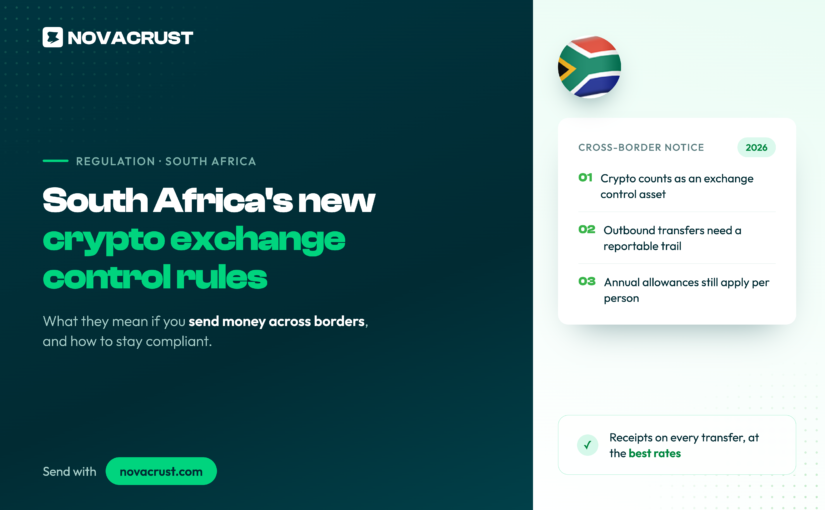
On 7 August 2026, South Africa’s Reserve Bank (SARB) and National Treasury published draft rules that bring crypto and stablecoins inside the country’s exchange control regime for the first time. If you send money into or out of South Africa, or you have been reading about stablecoins as the new way to move money across Africa, here is what is actually changing, and what is not.

Why now

South Africa’s exchange controls date back roughly 65 years, built for wire transfers and foreign bank accounts. Crypto sat outside that framework until a 2025 court ruling found that digital assets are not “currency” under existing law, a gap regulators have now moved to close.

SARB Governor Lesetja Kganyago put the logic plainly: the country cannot run a strict exchange control system for banks while leaving crypto largely unregulated next to it. Treat digital assets like a bank transfer, and the same rules should apply.

What the draft rules actually say

The rules split into two tracks, and the numbers matter more than the headline:

  • Remittance category (stablecoin-based, small transfers): R5,000 a day, R25,000 a month, moved from a self-hosted wallet.
  • Asset transfer category (broader crypto movements): R2 million a year as standard, rising to R10 million with tax compliance verification.
  • Companies: banned outright from using crypto or stablecoins for offshore receipts or payments, and from receiving inbound transfers from self-hosted wallets.
  • All transfers through a licensed domestic crypto asset service provider (CASP) come with a reporting requirement.

The target is specific: self-hosted wallet-to-wallet stablecoin flows that sidestep exchange controls entirely. A transfer routed through a licensed exchange, a bank account, or a mobile money wallet is a different category, and the personal allowances South Africans already have for moving money abroad stay in place.

The industry is not quiet about it

The backlash started the day the draft dropped and is still going three weeks later. VALR CEO Farzam Ehsani warned the rules are “likely to drive transactions underground or offshore.” Luno’s Marius Reitz called the approach out of step with how the rest of the crypto ecosystem operates, and argued in a Business Day op-ed on 24 August that exchange control policy of this scale belongs in parliament, not in a minister’s in-tray. Not everyone disagrees with the direction: Absa’s Rob Downes has backed the rules as at least providing clarity, even while acknowledging they narrow the near-term opportunity for crypto-linked banking products.

Public comment on the draft runs through the end of September 2026. No effective date has been set yet, so this is still very much in motion, not settled law.

What this does not change

A few things are easy to lose in a regulatory headline like this one:

  • Personal exchange control allowances for individuals sending money abroad are untouched.
  • Licensed exchanges and banks keep operating exactly as they do today.
  • Nothing here bans crypto in South Africa. It targets one specific flow: self-hosted wallet transfers used to move money across borders outside the regulated system.

Where Novacrust fits

Novacrust already operates in South Africa the way these draft rules assume money should move: through a bank account or a mobile money wallet on the send and receive side, and buying or selling crypto directly on the platform rather than hopping funds between self-hosted wallets. If you are watching this story because you send money into or out of South Africa regularly, the practical takeaway is simple: the draft rules are aimed squarely at the self-hosted-wallet route, and there are already faster, more transparent ways to move the same money. For a broader look at how the options compare, we’ve covered how to pick the best way to send money internationally without losing value to fees or a padded rate.

FAQ

Does this affect individuals sending money to family?
Personal allowances stay in place. The new limits specifically target stablecoin remittances: R5,000 a day, R25,000 a month, unless the transfer moves through a licensed exchange.

What is a self-hosted wallet, and why does it matter here?
It’s a crypto wallet you control directly, with no exchange or provider in between. The draft rules target exactly this route because it currently sits outside exchange control reporting.

When do the rules take effect?
Public comment runs through the end of September 2026. No final effective date has been announced yet.

Does this only apply in South Africa?
Yes. This is a South African Reserve Bank and Treasury proposal specific to South Africa’s exchange control regime. Other African markets, including Ghana and Nigeria, are setting their own separate rules for crypto and remittances.

Send money the simple way

Novacrust already routes money through a bank account, mobile money, or a USD account, in seconds, without touching a self-hosted wallet. Get Started. It’s Free. Novacrust.com

Custodial vs Non-Custodial Wallets: Which One Should Hold Your Crypto?

Crypto theft hit $3.4 billion in 2025, and the FBI puts crypto related fraud losses at a record $11.4 billion for the same year. Most of that money didn’t disappear because blockchains got hacked. It disappeared because someone lost control of a private key, trusted the wrong app, or sent funds to a wallet with no recovery option. The question of who actually holds your keys, you or a platform, is the single biggest safety decision you make when you buy or sell crypto.

That question has a name: custodial versus non-custodial. Here’s what each one actually means, and how to decide which one fits how you use crypto.

What “custodial” and “non-custodial” actually mean

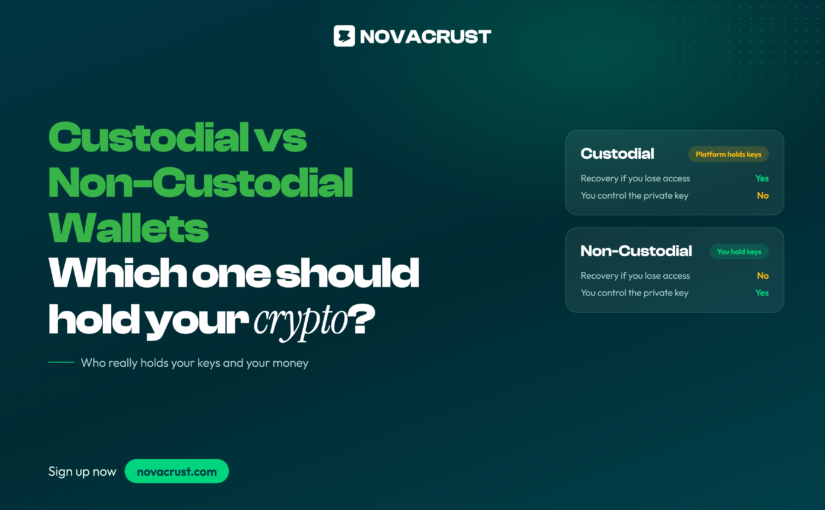
A custodial wallet is one where a platform holds your private keys on your behalf, the same way a bank holds your cash. You log in with a password, and the platform moves funds for you. A non-custodial wallet is one where you hold your own private keys, usually as a 12 or 24 word recovery phrase, and no company can freeze, recover, or move your funds without you.

The crypto community sums up the tradeoff in one phrase: not your keys, not your coins. It’s a fair warning, but it’s not the whole story. Self custody removes a third party from the equation. It also removes the safety net that third party provides. Ledger’s academy breaks down the mechanics in more depth if you want the full technical picture.

Six rules for picking the right type of wallet

  1. Match the wallet to how often you trade. If you’re buying and selling regularly, a custodial platform with fast, in-app execution beats moving funds to a separate wallet every time.
  2. Match it to how much you’re holding. Small, active balances are fine in a custodial account. Large amounts you don’t plan to touch for months are usually safer under your own keys, split across secure backups.
  3. Know what happens if you forget your password or phrase. A custodial platform can usually help you recover account access. A lost recovery phrase on a non-custodial wallet is gone for good. There’s no support line that gets it back.
  4. Check who’s actually licensed. A custodial platform with clear regulatory standing gives you recourse if something goes wrong. An anonymous wallet provider or unregulated exchange gives you none.
  5. Never store your recovery phrase digitally. Not in a notes app, not in a photo, not in an email draft. Screenshots and cloud backups are exactly what attackers search for.
  6. Test with a small amount first. Whether you’re trying a new custodial platform or setting up your first non-custodial wallet, send a small amount through before you commit your full balance.

Custodial vs non-custodial, side by side

Factor Custodial Non-custodial
Who holds the keys The platform You
Account recovery Usually possible Not possible without your phrase
Speed for buying/selling Fast, in-app Slower, needs a transfer step
Best for Active trading, everyday use Long-term storage, large balances
Biggest risk Platform gets hacked or mismanaged You lose your phrase or get phished

Where Novacrust fits

Novacrust runs as a custodial platform. When you buy or sell USDT, USDC, BTC, ETH, SOL, and more, your funds sit in your Novacrust wallet, and the platform handles the key management and network security behind the scenes. That’s the same tradeoff every custodial exchange makes: convenience and recovery options, in exchange for trusting the platform’s security.

If you’re actively trading, converting to local currency, or moving funds between crypto and a USD Account, a custodial setup like Novacrust removes the extra step of managing your own keys for every transaction. We’ve covered how to avoid the P2P scams that catch people buying USDT the hard way, and how the major buy/sell apps compare if you’re still choosing a platform.

When a non-custodial wallet still makes sense

If you’re holding a large balance for months or years, want direct interaction with decentralized apps, or simply don’t want any third party able to freeze your funds, a non-custodial wallet is the right tool. Many people run both: a custodial platform for active buying, selling, and spending, and a non-custodial wallet for savings they don’t touch often. If you move funds between the two, always double check the network before you send. Sending USDT on the wrong network is one of the most common ways people lose funds that has nothing to do with hacking at all, which is why picking the right network matters as much as picking the right wallet.

FAQ

Is Coinbase a custodial or non-custodial wallet?

The main Coinbase exchange account is custodial. Coinbase Wallet, a separate app, is non-custodial and gives you your own keys.

Is Trust Wallet custodial or non-custodial?

Trust Wallet is non-custodial. You control the recovery phrase, and no company can restore access if you lose it.

Are non-custodial wallets safer than custodial ones?

Neither is universally safer. Non-custodial wallets remove platform risk but add personal responsibility for keeping your keys secure. Custodial platforms remove that responsibility but concentrate risk on the platform’s own security.

What happens if I lose my non-custodial wallet’s recovery phrase?

Your funds become permanently inaccessible. There’s no password reset and no support team that can recover it, which is why backing up your phrase correctly matters more than almost anything else in crypto.

Can I move funds between a custodial platform and a non-custodial wallet?

Yes. Most people do exactly this: buy or sell on a custodial platform like Novacrust, then withdraw to a non-custodial wallet for longer-term storage. Just confirm the network matches on both ends before you send.

Buy and sell crypto without managing your own keys

Novacrust handles the custody, security, and network checks so you can buy, sell, and hold USDT, USDC, BTC, ETH, SOL, and more without setting up a separate wallet first. Sign up to get started on Novacrust here.
Sell Gift Cards for Crypto Instantly (2026 Guide)

Yes, you can sell a gift card directly for crypto

You don’t have to cash out on one platform and buy crypto on another. On Novacrust, submit your card details, get an instant valuation, and choose USDT, USDC, BTC, ETH, SOL, or more as your payout, all in one flow. Most cards clear in minutes.

Consumers reported $212 million in gift card scam losses to the Federal Trade Commission in 2024, and losses through the third quarter of 2025 were already tracking close behind. Most of that risk sits on the buying side of gift card trading: shady marketplaces, slow payouts, and cards that turn out empty. Selling is a different problem. If you have a card sitting unused, you want cash value out of it fast, paid out somewhere you actually control.

That’s where a crypto payout changes the math. Instead of waiting on a bank transfer or store credit, you convert a gift card straight into USDT and hold, spend, or move it in minutes. Here’s how it works, what sets your rate, and how to do it safely.

Why sell for crypto instead of cash

Cash payouts from gift card marketplaces usually route through a bank transfer: one to three business days, and you’re stuck in whatever currency your bank account uses. A crypto payout skips that queue entirely.

  • Speed: USDT and USDC settle in minutes, not business days.
  • No bank dependency: useful if your bank is slow with inbound transfers, charges receiving fees, or you’d rather skip today’s naira, cedi, or shilling exchange rate.
  • Global reach: a crypto wallet works the same whether you’re in Lagos, Nairobi, or Manila. A bank payout doesn’t.
  • Optionality: once it’s USDT or USDC, you can hold it, convert it, or spend it, instead of being stuck with a bank balance in one currency.

Gift card marketplaces typically price cards at 5% to 20% below face value, depending on brand demand and whether a card’s already been partially used. That discount applies whether you’re paid in cash or crypto. Crypto’s advantage is entirely in what happens after the price is set: how fast you get paid and what you can do with it next.

How selling for crypto usually works, and why it’s normally two trades

Most gift card marketplaces don’t pay out in crypto directly. Gift card platforms like Cardtonic, Prestmit, and GC Buying handle verification and cash payouts well, but not crypto. Crypto-focused platforms like Breet handle the conversion side well, but don’t take gift cards directly. That usually means two platforms, two waiting periods, two sets of fees, and two chances for something to stall.

On Novacrust, it’s one flow instead of two:

  1. Open Sell Gift Cards on Novacrust and pick the brand: Amazon, Steam, iTunes, Google Play, Sephora, and dozens more.
  2. Upload the card details or a photo of the physical card. Novacrust verifies the balance before quoting a rate.
  3. Choose your payout: USDT, USDC, BTC, ETH, SOL, cash to your Novacrust USD Account, or your local bank. For crypto, pick the network (TRC20 keeps fees low).
  4. Confirm the rate and submit. Rates reflect brand demand that day: no guessing, no back-and-forth over WhatsApp or a P2P forum.
  5. Get paid. Crypto payouts land in your Novacrust wallet in minutes once the card clears verification.

Prefer cash? The full walkthrough for that path lives in turning a gift card into cash instead of crypto. Crypto and cash payouts run through the same verification flow, so the only real decision is where the value lands.

What determines your rate

Three things move the number you’re quoted:

  • Brand: Amazon and Steam trade close to face value because resale demand is high. Niche or regional cards trade at a steeper discount.
  • Card type: a physical card with a visible PIN generally verifies faster than an e-code. That affects how quickly you’re paid, not necessarily the rate itself.
  • Balance: partially used cards sell for a proportionally lower amount, since Novacrust can only verify what’s left.

Crypto-focused platforms in the Nigerian market, including Breet and NoOnes, compete mainly on how fast the payout lands and which networks they support. Novacrust’s edge is that gift cards, USDT and USDC funding, a USD Account you can hold the payout in, and a Virtual Card to spend it from all sit inside one account. The crypto you receive from a card sale is immediately usable instead of parked in a separate app. Novacrust also supports Bitcoin, Solana, Ethereum, and more, so a card sale can fund whichever wallet you already use. If you’re comparing where else to buy or hold that crypto, see the best apps to buy and sell USDT and USDC in Africa.

Novacrust vs. selling through P2P forums or Telegram groups

P2P forums and Telegram groups can get you a fast trade, but you’re relying on a stranger to actually pay once you’ve sent the code. If they don’t, there’s no support team to call. Novacrust removes the counterparty risk: you’re trading with Novacrust directly, not a stranger, and the payout lands in your wallet the moment your card is approved.

Staying safe when you sell

The FTC’s gift card fraud numbers are concentrated on the buying side (scammers pressuring victims to pay with gift cards), but sellers face a narrower risk: marketplaces that quote a rate, take the card, then delay or shortchange the payout. Stick to these rules:

  • Only use a platform that verifies the balance before you hand over full card details. Legitimate platforms pay you after verification, not before.
  • Confirm the payout network (for USDT, that’s usually TRC20 or ERC20) before you submit. Sending to the wrong network can strand funds.
  • Check that the quoted rate is locked at submission, not adjusted after the card’s already verified. A rate that’s far above everyone else’s is usually a sign something’s off.
  • Keep your receipt. It speeds up verification if a platform asks for proof of purchase.

FAQ

Can I sell a gift card directly for crypto instead of cash?
Yes. On Novacrust, you choose whether your gift card payout lands as cash in your wallet or converts straight to USDT, USDC, BTC, ETH, SOL, or more. There’s no need to cash out on one platform and buy crypto on another.

How fast does the crypto actually arrive?
Once your card passes verification, USDT and USDC payouts typically land in minutes. Verification time depends on card type: physical cards with a visible PIN usually clear faster than e-codes.

What gift card brands does Novacrust accept for crypto payout?
Amazon, Steam, iTunes, Google Play, Sephora, and dozens more, with new brands added regularly. Check the live rate on Sell Gift Cards before assuming a card isn’t eligible.

Is it safe to sell gift cards for crypto online?
It’s safe when you use a platform that verifies the card and shows you the payout before you send any codes. Avoid P2P trades with strangers where there’s no recourse if they don’t pay.

Is selling a gift card for crypto taxable?
Tax treatment depends on your country and how you use the proceeds. Novacrust isn’t a tax advisor, so check with a licensed professional in your jurisdiction if you’re unsure.

What if my card has already been partially used?
You can still sell it. The quote reflects the remaining balance once Novacrust verifies it.

Turn unused cards into money you can actually use

A gift card sitting in your inbox is money you can’t spend where you need it. Selling it for USDT, USDC, BTC, ETH, or SOL means no bank wait and no currency lock-in, all in one flow instead of two.

Get Started. It’s Free.

The Best Apps to Buy and Sell USDT and USDC in Africa (2026)

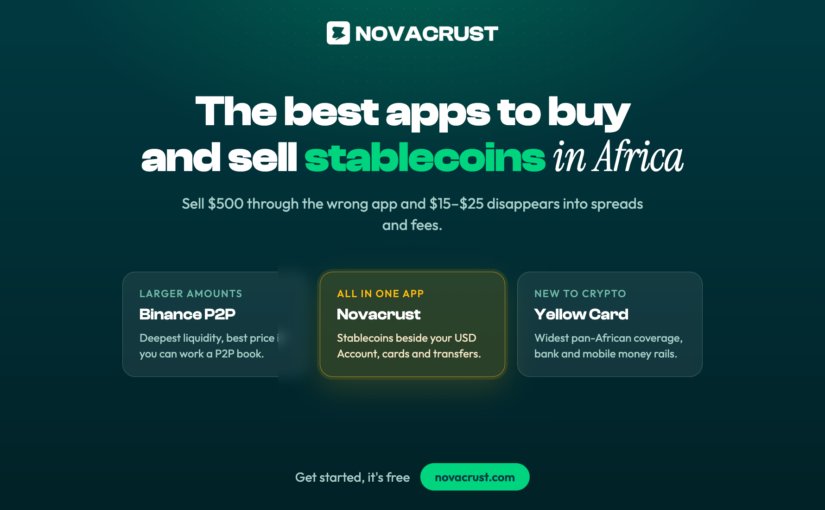
Sell $500 of USDT through the wrong app, and you can lose $15 to $25 of it before the money even reaches your bank account. Not because the coin moved, but because of a widespread withdrawal fee, or a slow payout that forces you to accept a worse rate. Buying and selling stablecoins in Africa isn’t hard anymore. Picking the app that doesn’t quietly eat your money is the actual problem.

Here’s a straight comparison of the apps people across Nigeria, Kenya, Ghana, and beyond actually use for USDT and USDC, and what each one is genuinely good at a

Six rules for not losing money on your next crypto trade

  1. Check the spread, not just the “fee.” Many apps advertise 0% fees but bake their margin into the buy/sell rate. Compare the actual NGN, KES, or GHS amount you’d get, not the headline fee.
  2. Confirm your payout method is actually supported. Bank transfer, mobile money (M-Pesa, Airtel Money), and card funding aren’t universal across every app in every country.
  3. Check withdrawal speed before you need it. An app that takes a day to release your cash is a different product than one that pays out in minutes, even if the rate looks identical.
  4. Look for local licensing or clear regulatory standing. This matters more in Nigeria and Kenya than it used to, and it’s the difference between an app you can trust with rent money and one you use for small amounts only.
  5. Don’t ignore P2P if you’re trading larger amounts. Platforms with deep P2P liquidity (Binance, Bybit, Bitget) often beat dedicated apps on price once you’re moving a few hundred dollars or more.
  6. Test with a small trade first. Rates, speed, and support quality on paper don’t always match reality. A $20 test trade tells you more than any comparison table.

The apps, compared

Yellow Card

Pan-African coverage across more countries than most competitors, with strong local payment rails: bank transfer and mobile money in many markets. A solid default if you’re new to crypto and want one app that works whether you’re in Lagos or Nairobi.

Quidax and Busha

Both built specifically for the Nigerian market, with NGN rails and local support. Good if Nigeria is your only market and you want a straightforward buy/sell flow without needing P2P.

BitAfrika

Covers Ghana and Nigeria with a simple buy/sell/send flow across a wide range of coins, not just USDT and USDC. Worth a look if you want one app for stablecoins and other assets like BTC or ETH.

Binance P2P, Bybit, and Bitget

The deepest liquidity of any option here, with active P2P markets in Kenya, Ghana, and South Africa. Best for people comfortable navigating a P2P interface and trading larger amounts where price matters more than simplicity.

Novacrust

Buy, sell, and deposit USDT, USDC, BTC, ETH, and SOL directly on Novacrust, in the same app you’d use for a USD Account, gift cards, or sending money to 50+ countries. If you’re already moving money internationally, converting stablecoins in the same place you hold and spend it removes a step other apps can’t.

Which one should you actually use?

SituationBest fit
New to crypto, want simplicityYellow Card
Nigeria-only, straightforward buy/sellQuidax or Busha
Want stablecoins alongside other crypto and everyday finance in one appNovacrust
Trading larger amounts, comfortable with P2PBinance, Bybit, or Bitget
Ghana or Nigeria, want broad coin supportBitAfrika

FAQ

What’s the cheapest way to sell USDT in Africa?

It depends on the amount. For small trades, a dedicated app like Yellow Card or Novacrust with a tight spread usually beats P2P once you account for time and hassle. For larger amounts, deep P2P liquidity on Binance, Bybit, or Bitget often wins on price.

Is it safe to buy and sell USDT or USDC through these apps?

Stick to apps with clear regulatory standing in your country, visible company information, and a track record of fast payouts. Test any new app with a small trade before moving larger amounts through it.

Can I buy USDT or USDC with mobile money?

Yes, on most of the apps above, including Novacrust. Availability of mobile money as a funding method varies by country, so check before you commit to one app.

Do I need a separate wallet, or can I hold USDT in the app itself?

Most of these apps, Novacrust included, let you hold your stablecoins directly in-app rather than requiring a separate wallet. Useful if you want to convert, spend, or send without moving funds around first.

Buy and sell USDT, USDC, and more on Novacrust

Get Started. It’s Free. Then convert your crypto to cash, hold it, or spend it in the same app you already use for your USD Account and money transfers.

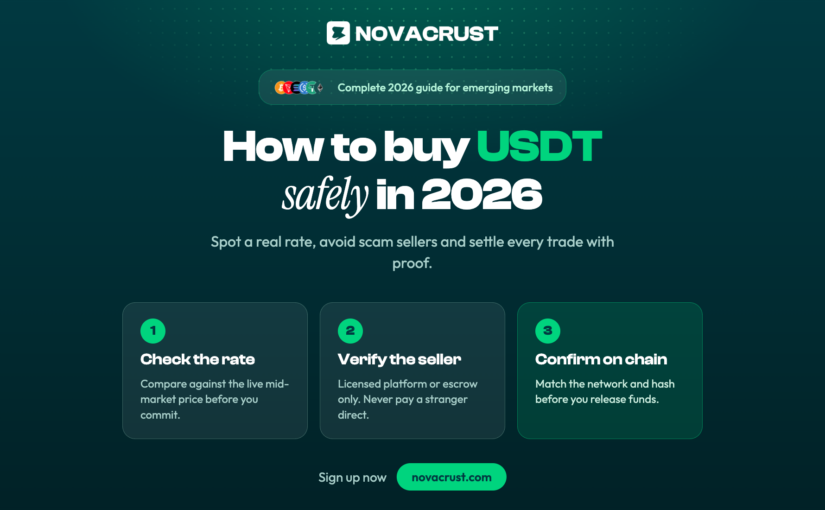
How to Buy USDT Safely in 2026: A Complete Guide for Emerging Markets

Search “buy USDT in Malawi” or “how to buy USDT in Maldives” and most of the first page isn’t a licensed exchange. It’s Telegram groups, Facebook posts, and P2P forums where you send money to a stranger first and hope the USDT shows up after. That gap between demand and safe supply is exactly why so many people in Cameroon, Zambia, Nepal, Botswana, and dozens of other markets still buy USDT the hard way.

USDT (Tether) is the most widely used stablecoin in the world, pegged 1:1 to the US dollar. That peg is the whole appeal: your money holds its value in dollars without you needing a US bank account. But “widely used” doesn’t mean “widely available through safe channels” everywhere. This guide covers how USDT actually gets bought and sold, where the real risk sits, and how to buy it in minutes instead of hours.

Why buying USDT is harder than it should be

In markets with limited USD liquidity, mainstream banks, weak local exchange infrastructure, or currency controls, three things usually happen:

  • Local exchanges either don’t exist or don’t support your country
  • Peer-to-peer (P2P) trading fills the gap, which means you’re trusting a stranger, not a platform
  • Rates vary wildly between sellers, and the “cheap” price sometimes hides a scam

None of that is a reason to avoid USDT. It’s a reason to be specific about how you buy it.

How the common USDT scams actually work

Most P2P USDT scams follow the same pattern: a seller offers a rate slightly better than everyone else’s, asks for payment via bank transfer or mobile money first, and then either sends less USDT than agreed, sends it to the wrong network, or disappears entirely. Group admins in Telegram or Facebook communities rarely offer any real recourse once that happens; you’re left with a screenshot and no way to reverse the transfer. This is the exact gap a licensed platform closes: your payment and the USDT release happen inside one system, not across two separate, unconnected steps.

Novacrust vs. P2P groups and other exchanges

Binance P2P, Busha, and Breet.io all let you buy USDT, and each works differently. Binance P2P connects you with individual traders directly, so you’re still trusting a stranger, just inside an app instead of a Telegram group. Busha and Breet.io operate as licensed exchanges in select markets, which is safer than open P2P, but neither pairs USDT buying with a USD Account or virtual card the way Novacrust does. If you want to buy USDT and also hold, spend, or convert dollars from the same wallet, that combination is where Novacrust differs most.

Six rules for buying USDT safely

  1. Use a platform that holds your funds in escrow, not a stranger’s word. If a seller asks you to pay first and “trust the process,” that’s not a platform, that’s a bet.
  2. Check the live rate before you commit. Rates can move within minutes. A platform that locks your rate for a short window protects you from last-second changes.
  3. Confirm the network before you send anything. USDT exists on multiple networks (TRC20, ERC20, and others). Sending to the wrong network address can mean losing your funds permanently.
  4. Avoid sellers who won’t verify their identity. Anonymity on your side is fine. Anonymity on the seller’s side, with no recourse if something goes wrong, isn’t.
  5. Start small the first time. Test any new platform or seller with a small amount before moving your full balance.
  6. Keep your funding trail traceable. Bank transfer or mobile money, not cash handoffs, so you have a record if a dispute comes up.

How to buy USDT on Novacrust

Novacrust lets you buy USDT (along with USDC, BTC, ETH, SOL, and more) directly, with the rate and network shown upfront before you confirm.

  1. Create your account. Sign up in a couple of minutes. No US address or SSN required.
  2. Fund your wallet. Pay via bank transfer, mobile money, or an existing crypto wallet.
  3. Buy USDT at the live rate. The rate you see is the rate you get, with no last-minute markup.
  4. Confirm the network. Novacrust shows you the correct network before you send, so your funds land in the right place the first time.
  5. Hold, spend, or convert. Keep it as USDT, convert to your local currency, or move it into your USD Account.

The whole flow runs on one platform, so there’s no handing money to a stranger and waiting to see what shows up.

Buying USDT in Malawi, Maldives, Cameroon, Zambia, Botswana, and Nepal

Country-specific USDT demand is real, and the friction looks similar everywhere: thin local exchange support, P2P groups filling the gap, and rates that shift depending on who you ask.

  • Malawi and Zambia: Local exchanges are limited, so most buyers rely on P2P sellers found through Telegram or Facebook, often paying via mobile money. A licensed platform removes the guesswork around whether the seller will actually deliver.
  • Maldives: Tourism-driven cash flow means many residents and workers want a stable way to hold dollars without going through a traditional bank. USDT fills that role, but only if the buying process is verified.
  • Cameroon: Mobile money is the dominant payment rail, and USDT buyers here need a platform that accepts it directly rather than routing through a third-party wallet first.
  • Botswana and Nepal: Both have smaller but growing USDT demand, usually from freelancers and remote workers who want to hold part of their income in dollars.

The country changes. The core problem doesn’t: buy from a platform that shows its rate and holds funds securely, not from a stranger’s word.

What buying USDT should actually cost

A fair USDT purchase has two costs: the network fee (small, fixed by the blockchain, not the seller) and the platform’s spread (the difference between the live market rate and what you’re quoted). Watch for sellers who bundle in a third, invisible cost: a marked-up rate disguised as a “discount.” If a rate looks meaningfully better than everyone else’s, ask why before you ask how.

USDT vs. other ways to hold dollars

If your goal is simply holding value in USD, USDT isn’t your only option. A Novacrust USD Account gives you a real US account number in your name, no crypto step required. Some people use both: USDT for speed and portability, a USD Account for a bank-like balance they can receive ACH and wire transfers into. Compare what you actually need before picking one.

FAQ

Is it legal to buy USDT in Malawi, Cameroon, Zambia, Botswana, Nepal, or the Maldives?
Rules vary by country and change over time, so check your local regulations. In most of these markets, buying and holding USDT through a licensed platform is legal; the risk is usually with unregulated P2P sellers, not the asset itself.

How long does it take to buy USDT?
On Novacrust, a purchase completes in minutes once your wallet is funded. P2P trades can take much longer, since you’re waiting on another person to respond and confirm.

Can I buy USDT with mobile money?
Yes, on Novacrust you can fund your wallet with mobile money in supported countries and buy USDT directly from that balance.

Is USDT the same as a US dollar?
No. USDT is a stablecoin designed to track the US dollar’s value 1:1, but it’s a crypto asset, not a bank deposit. It moves like crypto and settles fast, which is the main reason people use it instead of, or alongside, traditional banking.

What’s the minimum amount of USDT I can buy?
This depends on the platform. Novacrust supports small first purchases, so you can test the process before committing a larger amount.

Buy USDT without the guesswork

You shouldn’t have to trust a stranger’s screenshot to hold dollars. Buy USDT on Novacrust with a live rate, a verified network, and funds that move in minutes, not hours.

Get Started. It’s Free.

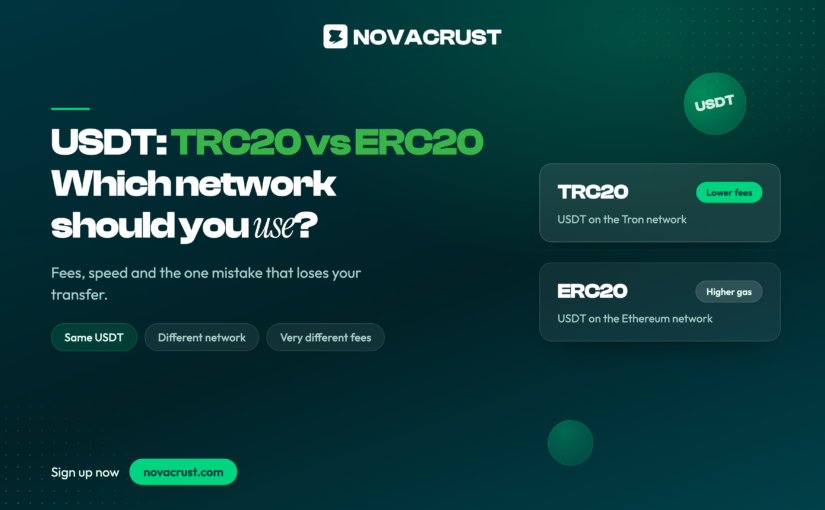
USDT: TRC20 vs ERC20, Which Network Should You Use?

Send $500 in USDT on the wrong network and you could pay $20 to $40 in gas fees. Send the same $500 on the right one and it costs less than $1. Same coin, same amount, completely different bill, and the only thing that changed is the network you picked.

If you buy, sell, or hold USDT, this choice comes up every time you deposit or withdraw. Here’s what TRC20 and ERC20 actually mean, how they differ, and how to pick the right one so your money moves fast and cheap.

What TRC20 and ERC20 actually are

USDT isn’t one single token. It’s issued on several different blockchains, and each version needs its own type of wallet address. The two you’ll see most often:

  • TRC20: USDT running on the Tron network.
  • ERC20: USDT running on the Ethereum network.

Same USDT, same $1 peg, same issuer. The network is just the road the transaction travels on, and each road has its own toll and speed limit.

The real differences

Fees. TRC20 transfers typically cost a few cents. ERC20 transfers run on Ethereum gas fees, which move with network demand and can easily hit $5 to $30, sometimes more when the network is busy. If you’re sending smaller amounts, TRC20 fees won’t eat into your balance the way ERC20 fees can.

Speed. TRC20 transactions usually confirm in seconds to a couple of minutes. ERC20 transactions can take a few minutes as well, but confirmation times stretch out when Ethereum traffic is high.

Wallet and exchange support. ERC20 is the older, more established standard and nearly every wallet and exchange supports it. TRC20 support has caught up fast because of its lower fees, but it’s worth a quick check if you’re using a smaller or newer wallet.

Network security model. Ethereum has a longer track record and a larger validator base. Tron is faster and cheaper but younger and more centralized in how it’s run. For everyday sending and receiving, both are reliable. The fee gap is the difference that actually affects your wallet.

When to use which

Use TRC20 when:

  • You’re sending or receiving everyday amounts and want to keep fees low.
  • You’re moving USDT frequently, since fees add up fast on ERC20.
  • Your wallet or exchange supports both and doesn’t charge extra for the choice.

Use ERC20 when:

  • Your recipient’s wallet only accepts ERC20 addresses.
  • You’re interacting with an Ethereum-based DeFi app or service that requires it.
  • You’re moving a large enough amount that a $10 to $30 fee is a rounding error.

If you’re not sure which one to pick and both are available, TRC20 is the cheaper default for most people sending or receiving everyday amounts.

The one mistake that actually costs you money

TRC20 and ERC20 addresses look similar, but they are not interchangeable. Send TRC20 USDT to an ERC20-only address (or the reverse) and the funds can be lost for good. There’s no support line that reverses a transaction sent to the wrong network.

Before you send:

  1. Confirm which network the receiving wallet or exchange expects.
  2. Match the network when you withdraw or deposit. Don’t assume it defaults to the one you used last time.
  3. When in doubt, send a small test amount first if the platform allows it.

How Novacrust handles this

Novacrust supports USDT and USDC funding and payouts, along with BTC, ETH, SOL, and more, so you can choose the network that makes sense for the amount you’re sending. Fund your Novacrust wallet with crypto, convert it, and spend, hold, or send to 50+ countries in seconds. No guesswork about which chain to use once your funds land.

Read more: Introducing USDC and USDT Funding and Payout on Novacrust and Bitcoin, Solana, Tron, Ethereum, and More Are Now on Novacrust.

FAQ

Is TRC20 always cheaper than ERC20?
Almost always. Tron’s fee structure is built for low-cost transfers, while Ethereum gas fees fluctuate with network demand and can spike well above Tron’s.

Can I convert USDT from ERC20 to TRC20?
Not directly between wallets. You typically need to send it through an exchange or platform that supports both networks and can convert or bridge it for you.

What happens if I send to the wrong network?
In most cases, the funds are unrecoverable. Some exchanges offer manual recovery for a fee, but it’s not guaranteed and can take weeks. Always double-check the network before you send.

Does it matter which network I use if I’m just holding USDT?
Not for holding, only for moving it. Pick whichever network your wallet supports when you’re ready to send or receive.

Which network does Novacrust support?
Novacrust supports USDT and USDC funding and payouts. Check your wallet’s deposit screen for the exact network details before sending.

Sending USDT shouldn’t cost you a small fortune in fees. Get Started. It’s Free.

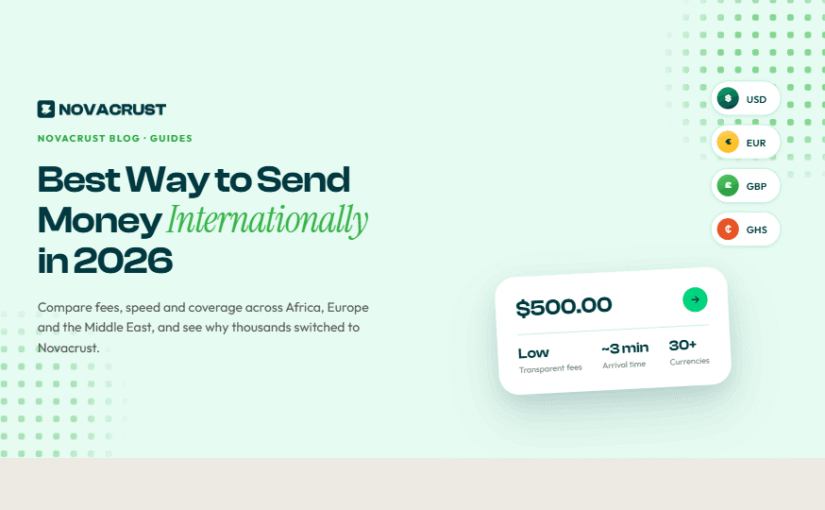
The Best Way to Send Money Internationally in 2026

Here is a number that should make you angry: families and workers sending money across borders lose an average of 6 percent of every transfer to fees and exchange rate markups. Send $500 home every month, and that is over $360 a year, gone. Not to the person you love. To the middlemen in between.

It gets worse. Some services advertise zero fees, then quietly take their cut through a padded exchange rate. Others charge honestly but take three business days while your recipient waits. The best way to send money internationally is not about one flashy feature. It is about what actually lands on the other side, and how fast.

This guide breaks down how to send money online, locally, and globally, what transfers really cost in 2026, and how to stop donating a slice of every payment to the payment industry, regardless of where you are.

The Two Numbers That Decide Every Money Transfer

Every international money transfer has exactly two costs, and providers hope you only look at one:

The transfer fee. The visible number. Easy to compare, easy to advertise, easy to set to zero.

The exchange rate margin. The invisible number. The gap between the real mid-market rate and the rate you are given. A “zero fee” transfer with a 4 percent rate markup costs more than a $3 fee at an honest rate.

The only comparison that matters: how much local currency arrives per dollar sent. Judge every money transfer app by that single figure.

Sending Money Globally: Your Options Compared

Banks and traditional wires. Reliable for large sums, painful for everything else. International wires stack sending fees, correspondent bank fees, and receiving fees, often $40 to $100 total, and take days.

Cash pickup services. Western Union and MoneyGram reach almost everywhere, including recipients without bank accounts. You pay for that reach with some of the highest combined costs in the industry.

Money transfer apps. Wise, Remitly, LemFi, WorldRemit, and others have pushed prices down dramatically, especially on popular corridors into Africa. Strong options, though most only solve sending, not the rest of your financial life.

All-in-one platforms like Novacrust. If you already receive international income, the smartest move is to send from the same place your money lives. With Novacrust, your USD account, currency conversion, and transfers sit in one app: receive dollars from clients or family abroad, convert at a competitive rate shown upfront, and send to local bank accounts or mobile money wallets across supported markets in Africa and EMEA. No app hopping, no double conversion, no mystery rates.

How to Send Money with Novacrust, Step by Step

If you have ever searched for how to send money from a USD account to a local bank, this is the flow:

Step 1: Fund your account

Your balance might come from a client payment into your USD account, a crypto conversion, or a top-up. It all lands in one place.

Step 2: Choose your recipient

Send to a local bank account or mobile money wallet. Sending locally to a bank in your own country works from the same screen as sending across a border.

Step 3: See the rate before you commit

The exchange rate and what your recipient gets are shown upfront. If the numbers work, you send. If not, you wait for a better day. That transparency alone beats half the industry.

Step 4: Money arrives fast

Transfers to supported banks and mobile money wallets typically arrive within minutes to hours, not days. For anyone searching for the fastest way to send money internationally, speed plus an honest rate is the full answer.

Sending Money to Africa: What Actually Works

Remittances to Africa remain among the most expensive corridors in the world, which makes choosing well worth real money. What to know per use case:

Supporting family. For anyone searching to send money to family in Africa, prioritize mobile money delivery. In Kenya, Ghana, Tanzania, and much of East and West Africa, M-Pesa and MTN Mobile Money reach recipients who never visit a bank. A platform that sends directly to wallets saves your family the trip and the wait.

Paying suppliers or staff. Consistency beats everything. You want a platform where the rate is visible before every transfer and delivery times are predictable, so payroll never becomes an apology.

Cheapest way to send money to Nigeria, Kenya, or Ghana. The honest answer is always the same formula: compare the received amount, not the fee. On most corridors, app-based transfers from a held USD balance outperform cash services and banks by several percentage points.

Sending Money Locally

Global gets the headlines, but local transfers are the daily reality: rent, a vendor, your cousin’s school fees. The advantage of an all-in-one platform is that local sending uses the same balance as everything else. Convert exactly what you need from your USD balance and send it to any local bank account in minutes. Your dollars stay dollars until the moment they need to be anything else.

Six Rules for Never Overpaying on Transfers Again

  1. Compare received amounts, not fees. One number tells the truth.
  2. Beware “zero fee” marketing. The rate is where zero-fee services get paid.
  3. Hold your money in USD until you send. Converting on your schedule, not the provider’s, protects you from bad rate days.
  4. Use mobile money for the last mile in Africa. It is usually faster and reaches more people than bank deposits.
  5. Send larger amounts less often when costs are partly flat, since fixed fees hurt small transfers most.
  6. Keep receipts in one app. Scattered transfers across three services mean no clean record of what you sent and at what rate.

Frequently Asked Questions

What is the best way to send money internationally in 2026? Use a platform that shows the exchange rate upfront and delivers to local banks or mobile money quickly. Compare what the recipient receives, not the advertised fee.

What is the cheapest way to send money to Nigeria? Sending from a held USD balance through an app with transparent rates typically beats banks and cash services. Always compare the naira amount that arrives.

Can I send money directly to mobile money wallets? Yes. Novacrust supports sending to mobile money wallets in supported African markets, alongside bank transfers.

How fast do international transfers arrive? App-based transfers to supported banks and wallets usually arrive within minutes to hours. Traditional wires can take several days.

Can I send money locally and internationally from one app? Yes. With Novacrust, local and global transfers come from the same balance, next to your USD account, virtual cards, and crypto conversion.

The Bottom Line

Every transfer is a small negotiation, and the industry wins whenever you compare the wrong number. Look only at what arrives, keep your money in dollars until sending day, and use one platform for local and global so your finances live in one place.

CTA: Send money locally and globally with Novacrust. See the rate before you send, every time.

How to Convert Crypto to Naira

Have you ever received crypto payments from clients or friends and struggled to access the cash in Naira? Maybe you spent hours figuring out how to sell your crypto, lost money to high fees, or waited days just to get your funds. Converting crypto to Naira can be confusing and frustrating, especially if you need access to your money fast.

The good news is that with Novacrust, converting crypto to Naira is simple, fast, and secure. Here’s how you can do it in just a few steps:

Step One: Create Your Novacrust Account


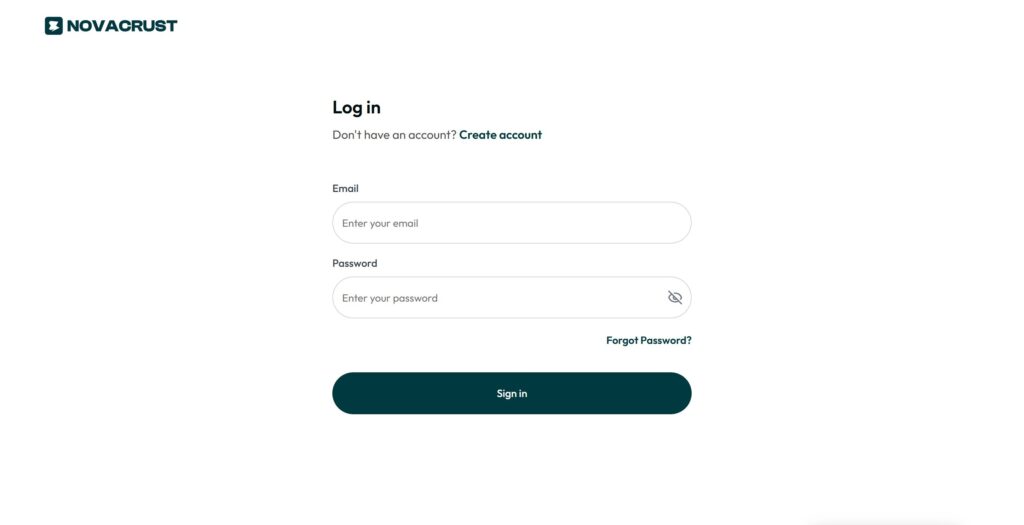
Visit app.novacrust.com and sign up for a free account. Setting up your account is quick and easy, giving you access to all Novacrust features.

Step Two: Log In and Access Quick Actions


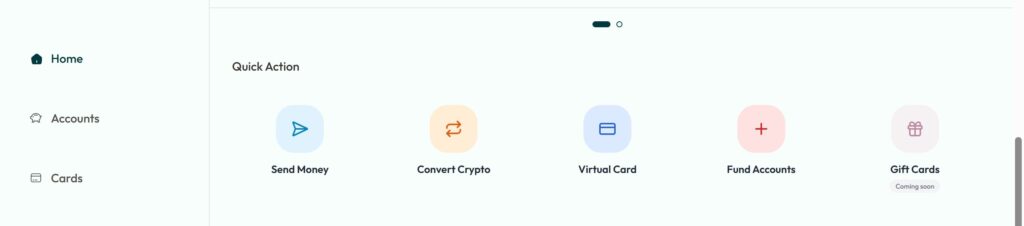
Once you log in, go to your dashboard. You will see a section called Quick Actions. Here, click on Convert Crypto to get started.

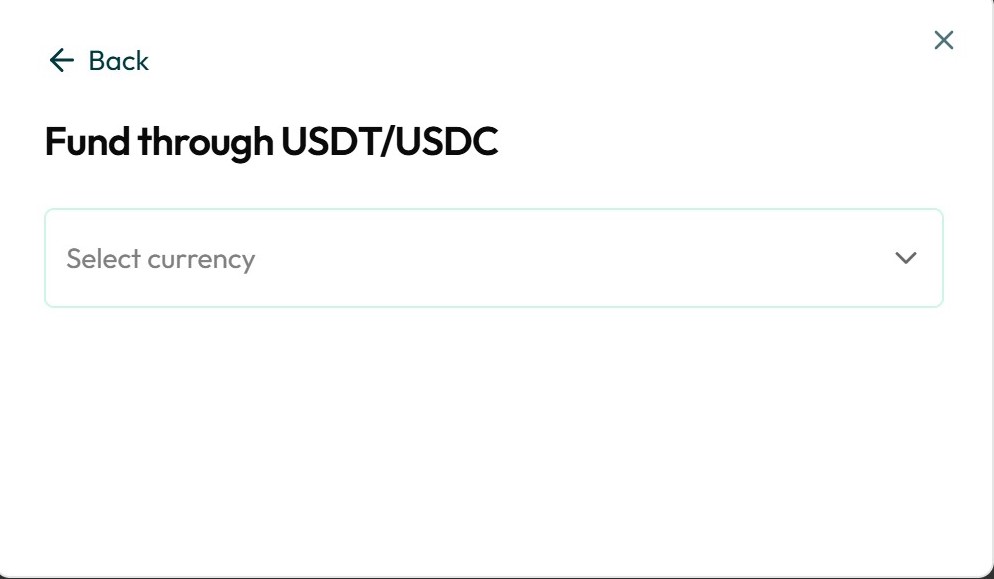
Step Three: Fund Your Crypto Wallet


Choose which cryptocurrency you want to use to fund your account, such as USDT or USDC. Select the wallet you want to fund. You will need to create a wallet address if it’s your first time using the site. Don’t worry, it only takes a few minutes. You can even create multiple wallet addresses if you prefer.

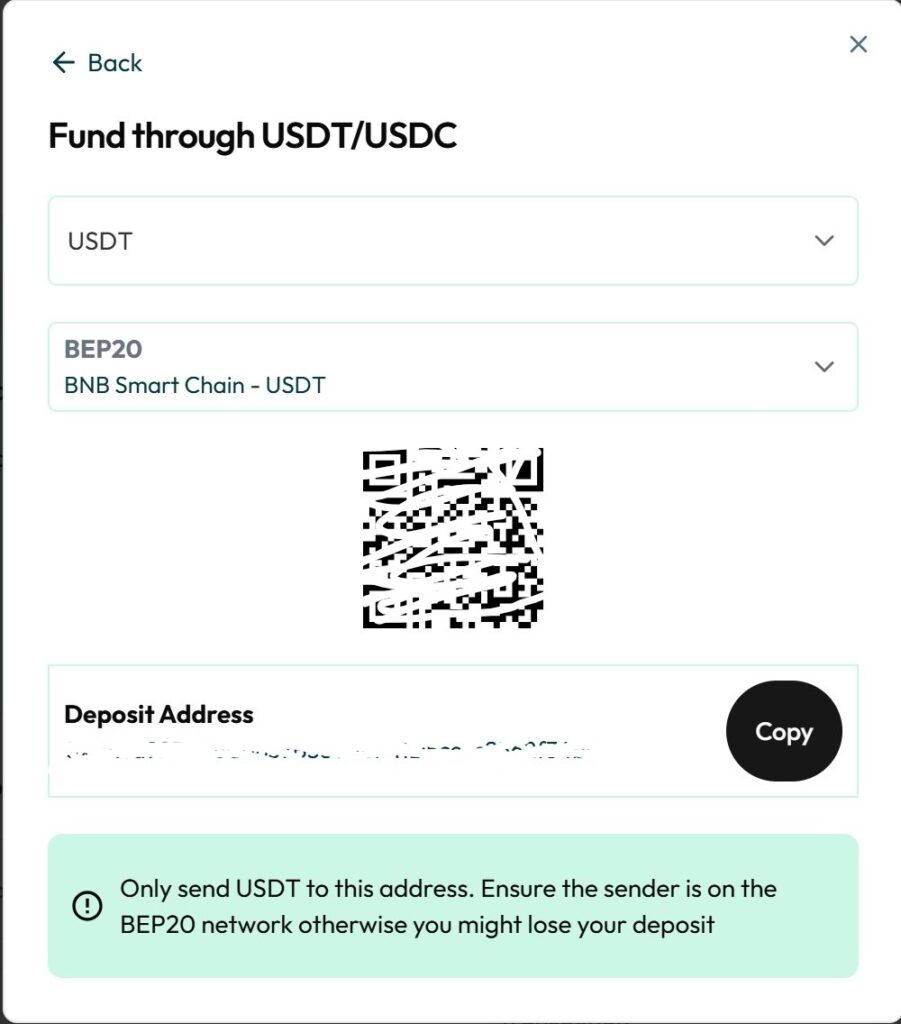
Step Four: Deposit Crypto


Once your wallet address is ready, fund it by either copying the wallet address or scanning the QR code. Your funds will appear in your Novacrust USD account securely and quickly.

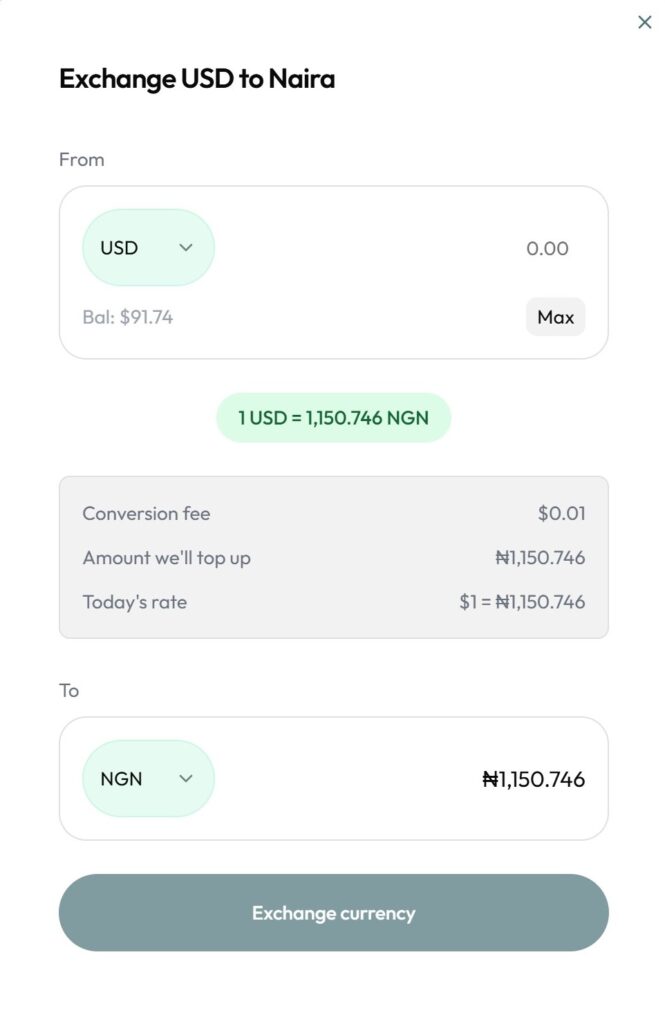
Step Five: Convert Crypto to Naira


After funding your USD wallet, click on USD account on your dashboard and select convert. Choose the currency you want to convert your USD to (In this case Naira). In the “From” section, select USD. Click on Exchange currency.

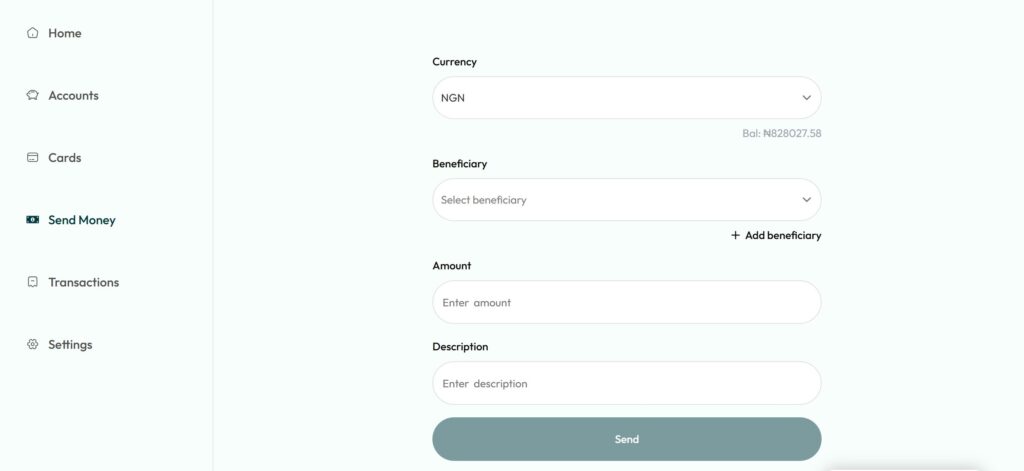
Step Six: Withdraw to your Bank Account.

Go to “Send money” on your dashboard, fill in your bank details and just like that you have your crypto in your Nigerian bank account!

Why Novacrust Makes a Difference
Novacrust removes the usual stress of converting crypto to Naira. You no longer have to worry about complicated exchanges, hidden fees, or long delays. The platform is secure, fast, and designed to make global transactions easy.

Start Converting Crypto Today
Sign up on Novacrust, fund your wallet, and convert your crypto to Naira in just a few clicks. Fast, secure, and hassle-free; that’s how converting crypto should feel.