On August 1, 2025, the Bank of Tanzania made a change that reshaped every incoming transfer: all international money transfers must now route through TIPS, the Tanzania Instant Payment System, with a flat fee of TZS 1,000 (about $0.40) per transaction. Tanzania received an estimated $750 million in diaspora remittances in 2024, according to World Bank data, and the new rule is aimed at moving more of that money through a single, trackable, interoperable rail instead of scattered, slower channels.
For everyday senders, that is good news on speed. It does not automatically mean a better price. This guide covers what changed, what a transfer to Tanzania actually costs, and how the popular options compare.
This is why so many people keep searching:
- how to send money to Tanzania from abroad
- best way to send money to Tanzania from the US or UK
- cheapest app to send money to M-Pesa Tanzania
- send money to a Tanzanian bank account
What changed for Tanzania in 2025
Before TIPS became mandatory, an incoming transfer could land through several different systems depending on which bank or mobile network was on each end, which meant inconsistent speed and inconsistent fees. Routing every transfer through TIPS makes mobile wallets, banks, and other licensed providers interoperable on one instant-settlement rail, and it caps the routing fee at a flat TZS 1,000 rather than letting it scale with the transfer amount. Cross-border mobile money inflows already rose 33 percent year over year following the shift, according to the Bank of Tanzania’s National Payment Systems reporting.
What TIPS does not do is cap the exchange rate margin a transfer provider builds into your quote. That part is still entirely up to the app or bank you choose, which is where most of the real cost still hides.
Where a transfer to Tanzania quietly loses value
According to World Bank Remittance Prices Worldwide data, the average cost of sending money from the UK to Tanzania sits around 4.88 percent once fees and exchange rate margins are combined, well above the roughly 2 percent seen on some other African corridors. Three things usually explain the gap:
- An exchange rate marked up below the real market rate, with the margin folded into “the rate” instead of shown as a separate fee
- A flat sending fee stacked on top of that already marked up rate
- Cash pickup charges that a direct deposit to a mobile wallet or bank account avoids entirely
We cover the same underlying math in our guide to choosing the best way to send money internationally: whoever quotes the number closest to the real market rate, not the app with the flashiest onboarding, is the one protecting your money.
Mobile money in Tanzania is more split than you might expect
Unlike Kenya, where M-Pesa dominates almost completely, Tanzania’s mobile money market is genuinely competitive: Vodacom’s M-Pesa holds around 41 percent of the market, Tigo Pesa around 24 percent, Airtel Money around 21 percent, and Halotel around 10 percent, based on recent network data. Since TIPS now connects these wallets and the banking system on one interoperable rail, which specific wallet your recipient uses matters far less than it used to. A transfer sent to any of them should settle quickly, as long as the sending provider actually routes through TIPS.
How the popular options compare
Most people sending money to Tanzania end up choosing between a bank wire, Western Union, WorldRemit, LemFi, or a Novacrust account. All of them can land money in a Tanzanian bank account or mobile wallet. What differs is the rate, the fee, and how many days it takes to clear.
| Option | Typical speed | Where it loses money |
|---|---|---|
| Bank wire | 1 to 3 business days | High flat fee plus a weaker exchange rate |
| Western Union | Minutes to hours (cash pickup) | Cash pickup fees stack on top of the rate |
| WorldRemit | Minutes to mobile wallet | Rate and fee vary by amount and funding method |
| LemFi | Minutes | Competitive, but rate varies by corridor and volume |
| Novacrust | Minutes | Competitive rate with no cash pickup markup |
Example: sending $500 to Tanzania
At the real market exchange rate, $500 converts to a specific shilling amount. A transfer priced with a 4 to 5 percent all-in margin, in line with the World Bank’s UK-to-Tanzania average, quietly removes $20 to $25 of that before it lands, even with TIPS keeping the routing fee itself small. Sent every month, that gap adds up to real money over a year.
The fix is not finding the fastest-looking app. It is comparing the actual exchange rate you are quoted against the real market rate before you send, every time.
Why freelancers and diaspora senders use Novacrust
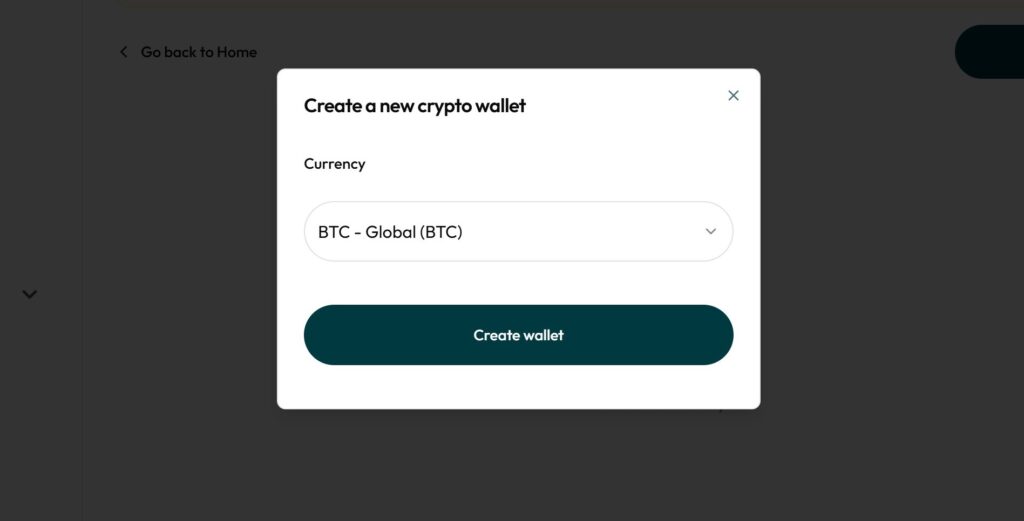
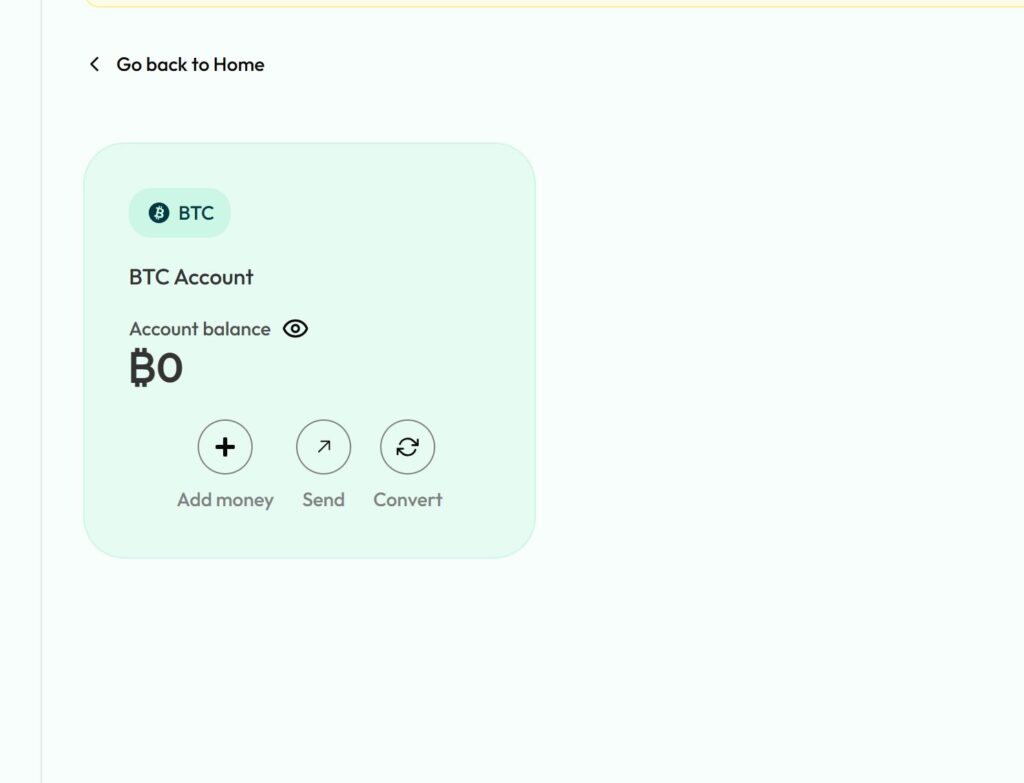
A Novacrust account lets you hold US dollars and send to Tanzania, or to 50+ other countries, without stitching together a separate bank, card, and remittance app. You can:
- Receive USD directly from international clients, Upwork, Fiverr, or a US employer
- Convert to Tanzanian shillings at a competitive rate, in the same account
- Send to a Tanzanian bank account or mobile wallet in minutes
If you do not have a US dollar account set up yet, our guide to opening a USD Account online in minutes covers what you need before your first transfer, no US address required.
Other ways dollars reach Tanzania
A bank or mobile money transfer is not the only route. Two more worth knowing:
- Gift cards. If you are paid in US gift cards, or received one as a gift, selling gift cards for cash converts that value without a wire transfer at all.
- Stablecoins. A growing number of East African freelancers and traders convert USDT or USDC directly instead of routing through a traditional bank. Our roundup of the best apps to buy and sell USDT and USDC in Africa covers the options people actually use.
FAQ: sending money to Tanzania in 2025
What’s the cheapest way to send money to Tanzania?
The cheapest option is whichever one quotes an exchange rate closest to the real market rate and charges a clear, separate fee instead of hiding its margin inside the rate. TIPS keeps the routing fee itself small, so the exchange rate is where the real savings or losses happen.
Do all transfers to Tanzania now go through TIPS?
Since August 1, 2025, the Bank of Tanzania requires international transfers to route through TIPS, which connects banks and mobile wallets like M-Pesa, Tigo Pesa, and Airtel Money on one instant-settlement system. In practice, that means faster, more consistent delivery regardless of which wallet or bank your recipient uses.
How long does a transfer to Tanzania take?
Bank wires typically take one to three business days. Apps built for cross-border transfers, including Novacrust, usually settle to a Tanzanian bank account or mobile wallet in minutes now that TIPS handles routing.
Which mobile money wallet should my recipient use in Tanzania?
Whichever one they already have. M-Pesa, Tigo Pesa, Airtel Money, and Halotel are all connected through TIPS, so the wallet choice matters far less than confirming the sending provider actually supports direct mobile wallet delivery.
Is it safe to send money to Tanzania through an app instead of a bank?
A licensed, regulated transfer app is not inherently less safe than a bank wire. Check that any provider you use is licensed for the corridor you are sending through before you rely on it regularly.
Final thoughts
TIPS made transfers to Tanzania faster and more consistent, but it did not touch the exchange rate, and that is still where most of your money is won or lost. With $750 million a year already flowing to Tanzania through official channels and cross-border mobile money inflows rising fast, comparing the real rate before you send is worth the extra minute every time.
Sign up to get started on Novacrust here.