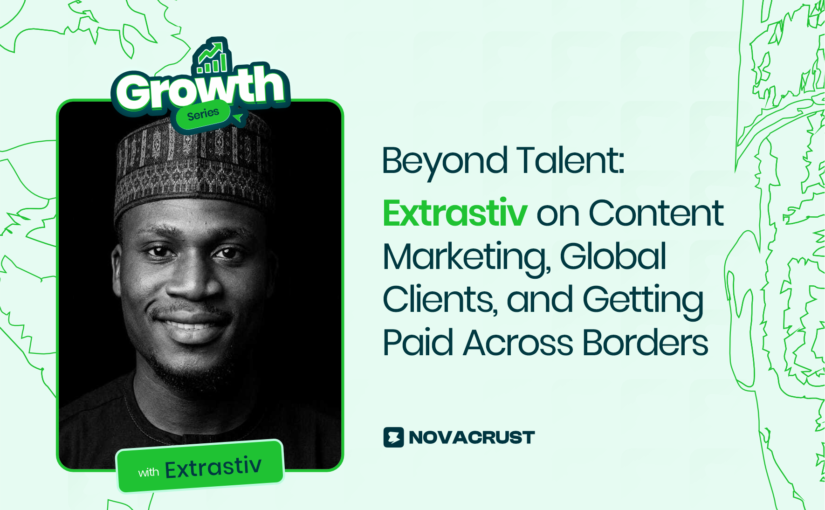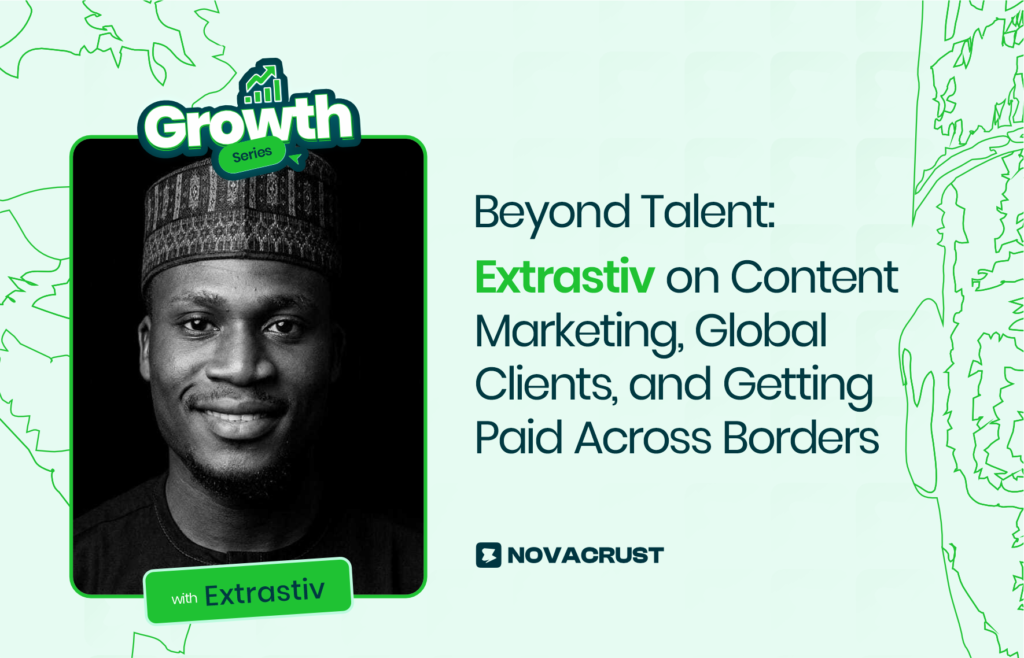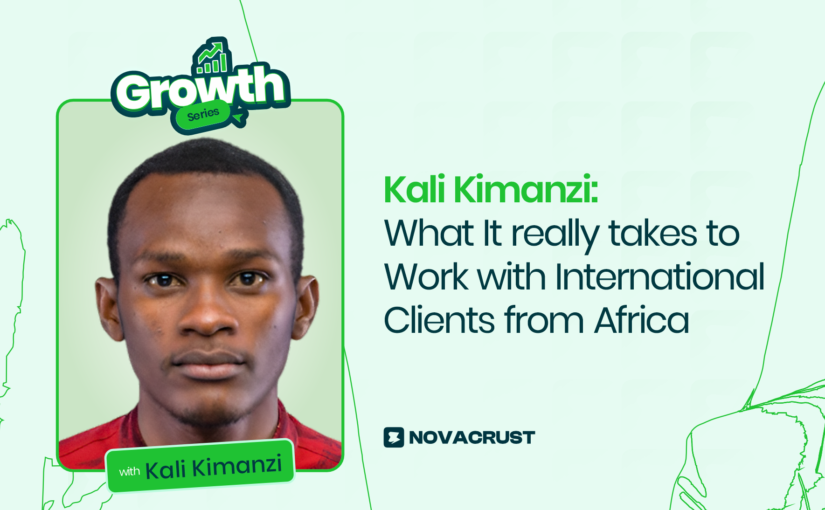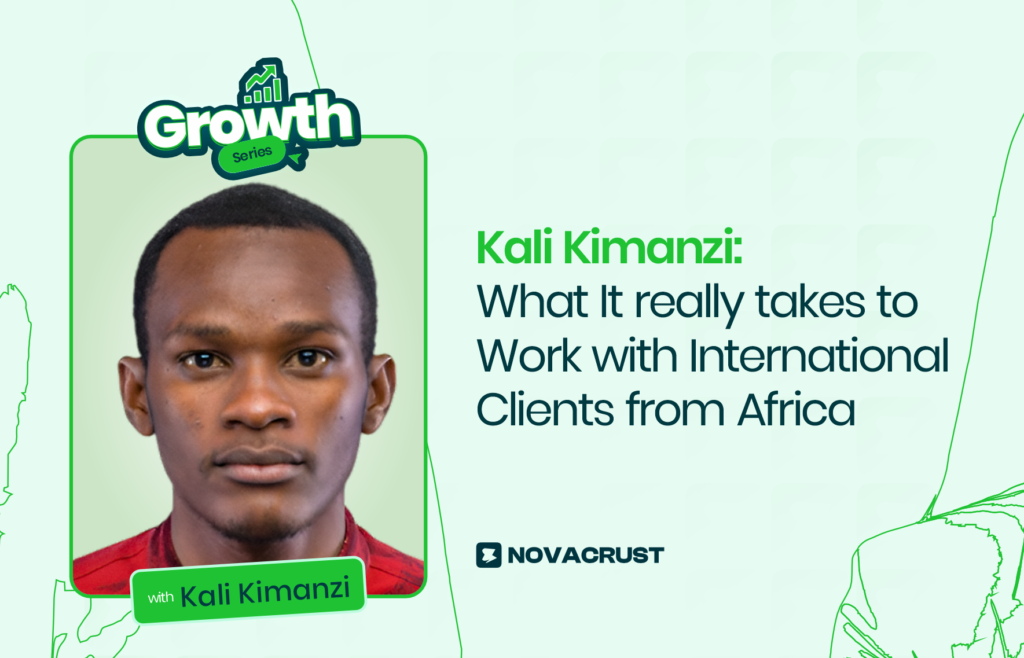
Kali Kimanzi: What It Really Takes to Work with International Clients from Africa

You can be the most talented developer in your country. You can win innovation awards. You can land international clients. And still lose opportunities not because you’re not good enough, but because they simply can’t pay you.

Kali Kimanzi knows this reality too well. As someone who’s navigated the gap between African innovation and European optimization, who’s registered businesses on two continents, and who’s watched transaction fees eat into hard-earned payments, he’s learned that talent without access is just potential waiting to be unlocked.

In this conversation, Kali shares what nobody posts on LinkedIn: the rejections, the waiting, the payment nightmares, and the unglamorous truth about building a global career from Africa.

Can you briefly introduce yourself and tell us what you do?

My name is Kali Kimanzi. I’m the CTO and Co-founder of CodeX Safari, and I also serve as the CEO.

At CodeX Safari, we build technical solutions both hardware and software for businesses, governments, and NGOs. We also develop internal products that help businesses manage their operations more efficiently.

One of our key products is Codex POS Store, which is an inventory and point-of-sale platform.

Currently, we work with clients across Kenya and internationally, including the United States, as we are incorporated both in Kenya and in Wyoming, USA.

How did your journey into the digital or creative space begin?

My journey began during my university days. My background is in Mathematics and Computer Science.

In 2019, I went to Austria to pursue my Master’s degree in Computer Science. During that time, I got my first experience working in the digital space within a larger company.

Over time, I started comparing what was happening in Europe and Africa. Europe is more focused on optimization improving existing systems while Africa is still in the innovation stage, where there are many problems to solve.

I saw bigger opportunities in Africa, especially in Nairobi. That’s what led me to start my company and eventually return in 2022 to focus on building it fully.

What first inspired you to start building your career online?

For me, it has always been about solving problems.

From high school, I was involved in innovation programs where we created solutions for societal challenges. In university, I was recognized among the top innovators in the country for a water management system I digitized using IoT devices.

That experience showed me there is a huge gap where technology can improve systems and make life more efficient.

So my inspiration has always been to build solutions that automate processes and improve how society functions.

What were some of the biggest challenges you faced when you were just starting out?

One of the biggest challenges was not just building solutions, but getting people to adopt them.

Many businesses across Africa are not yet fully digital. A large number of business owners belong to older generations Gen X and baby boomers who are not as quick to adopt new technology.

So even when we had strong solutions, it took time for them to understand the value:

  • How it improves their business
  • How it makes operations easier
  • Why they should trust it

Adoption has been one of the biggest challenges, because building a solution is one thing, getting people to trust and use it is another.

Did you ever face issues receiving payments from international clients? How did that impact your growth?

Yes, receiving payments was very difficult in the beginning.

There were high transaction fees, especially with platforms like PayPal. You could receive $500 and lose a significant portion to fees and conversion charges.

This affected growth because even when you had clients, accessing your money wasn’t always smooth.

What was your very first international payment experience like?

It involved a lot of waiting.

On paypal, SWIFT transfers were supposed to take about 4 to 5 days, but in reality, it could take a week and a half or even two weeks.

So most of the time, I just waited for days, hoping the payment would come through.

How did you handle the payment challenges at the time?

I adjusted and adapted.

There weren’t many options, so I learned to be patient and plan around delays.

In your opinion, how important is having a reliable dollar payment account for freelancers and digital creators?

It’s like oxygen for freelancers.

Without a reliable way to receive payments, you miss out on opportunities not because you lack skills, but because clients cannot pay you easily.

Was there a particular moment or opportunity that really changed things for you?

Yes.

At one point, I had to register a business in the United States just to be able to receive payments properly. That meant paying taxes both in Wyoming and in Kenya, which wasn’t ideal.

But it became a breakthrough moment because it allowed us to operate internationally and receive payments more reliably.

What skills or mindset helped you grow the most in your career?

Networking and continuous learning.

You can be highly skilled, but if you don’t network, opportunities won’t find you. Most of the projects I’ve worked on came through connections, conversations, and referrals.

What lessons would you share with African freelancers looking to work with global clients today?

Trust and reliability are everything.

When clients trust you and you deliver consistently and on time, they don’t just come back, they refer you.

Growth often comes from referrals, and over time, that builds into something much bigger.

How do you stay consistent and motivated even during slow or challenging periods?

I remind myself that I’m not alone.

I talk to other entrepreneurs, and I’ve realized that everyone faces challenges, even if they are different.

That helped me understand that business is about challenges, it’s how you respond to them that matters.

What is one honest truth about building a global career that nobody tells young African creators and freelancers?

There will be a lot of rejection.

You might face hundreds or even thousands of rejections, but that’s part of the process.

People only show success online, they don’t show how many times they failed before getting there.

Platforms like Novacrust are trying to make international payments easier for freelancers. What are your thoughts on solutions like this?

Solutions like this are very important because they bring inclusion.

Without access to global payment systems, you’re excluded from opportunities—not because you lack skills, but because you can’t get paid.

But when that barrier is removed, you can offer your services globally and access more opportunities.

Would you consider signing up for a platform like Novacrust? Why or why not?

Yes, I would and I already have.

Because I understand what it means to have access to a system that makes payments easier.

Being able to receive money and move it into local systems like mobile payments is very important, especially in Africa.

Kali’s journey highlights a key reality: talent alone is not enough. Access, systems, and persistence play a major role in building a global career.

From navigating payment barriers to building innovative solutions, his story shows that success comes from consistency, adaptability, and resilience.

For African freelancers and creators, the opportunity is global but unlocking it requires the right tools, mindset, and determination.

Best Payment Platform for Upwork, Fiverr and Remote Jobs in Africa

You finished the job. The client paid. Now your money is sitting in USD online and getting it into naira, cedis, or shillings without losing a painful chunk to fees feels harder than the work you did.

This is why many African freelancers now use Novacrust to receive USD payments from Upwork, Fiverr, and remote clients, convert at better rates, and withdraw directly to their local bank or mobile money without stress.

If you have been searching for:

  • how to get paid from upwork nigeria
  • fiverr payment method africa
  • best payment platform for freelancers in africa
  • receive international payments africa

This guide shows why most people start with other platforms and why many eventually switch to a simpler route.

Why Novacrust works better for Upwork, Fiverr and remote jobs

Novacrust was built around the exact problems African freelancers complain about daily.

It allows you to:

  1. Receive USD payments easily from global platforms
  2. Convert to NGN, KES, or GHS at competitive rates
  3. Withdraw to your local bank or mobile money quickly
  4. Avoid the long chain of apps that reduce your earnings

Instead of combining multiple services, Novacrust handles the full journey from USD to your local account smoothly.

How freelancers usually get paid from Upwork in Nigeria and other African countries

A common method looks like this:

  1. Connect Upwork to a payment processor
  2. Receive USD into that account
  3. Convert to local currency
  4. Transfer to your bank
  5. Lose money in fees and exchange rates along the way

This is why so many people keep searching how to get paid from upwork nigeria because the process never feels efficient.

Fiverr payment method in Africa and why it becomes frustrating

Fiverr supports a few payout options that look simple on paper. In practice, freelancers often experience:

  1. Delays before funds arrive
  2. Exchange rates that reduce earnings
  3. Extra steps before money reaches their bank

This leads to constant searches for fiverr payment method africa and better alternatives.

Platforms freelancers commonly try first

Many freelancers rotate between these platforms:

  • Payoneer
  • Wise
  • Grey
  • Chipper Cash

Each one solves part of the problem. None solves the full journey from receiving USD to accessing local currency seamlessly.

What a good payment platform for remote jobs should provide

To truly work for African freelancers, a platform must:

  • Provide a real USD receiving account
  • Allow fast conversion to local currency
  • Offer strong exchange rates
  • Allow quick withdrawal to local banks or mobile money
  • Work smoothly with Upwork, Fiverr, and remote clients

Very few platforms check all these boxes in one place.

FeaturePayoneerWiseGreyChipper CashNovacrust
USD Receiving AccountYesYesYesLimitedYes
Works with UpworkYesYesYesNoYes
Works with FiverrYesYesYesNoYes
Strong NGN/KES/GHS ConversionVariesVariesBetterNot focusedStrong
Speed to Local BankSlowModerateFastFastFast
Built for African freelancersNoNoYesPartlyYes

Why this matters more as your freelance income grows

When you start earning more from remote jobs, poor exchange rates and hidden charges stop being small annoyances and start becoming real losses.

Choosing the best payment platform for freelancers in Africa directly affects how much of your USD earnings you actually keep.

Final thoughts

Freelancing gives you global earning power. Your payment method should not reduce that advantage.

The right system lets you receive international payments in Africa, convert at good rates, and access your money without delays.

That difference is what turns getting paid into actually enjoying what you earned.

Start enjoying the difference with Novacrust here.

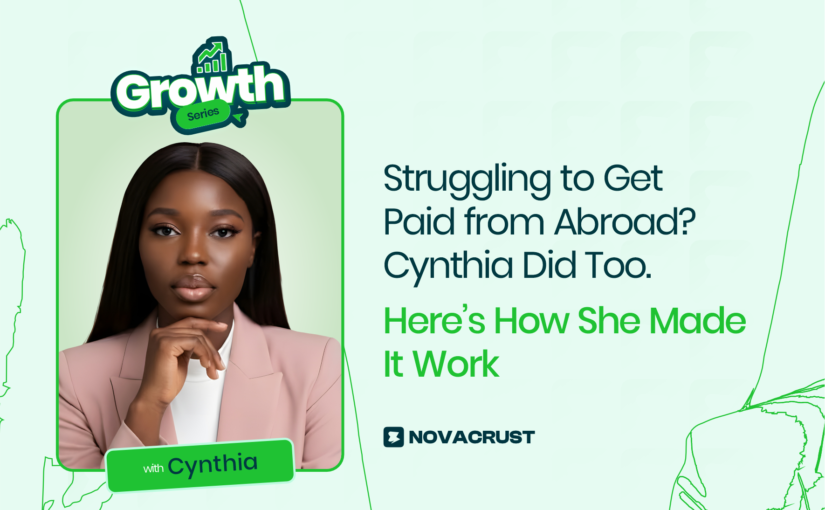
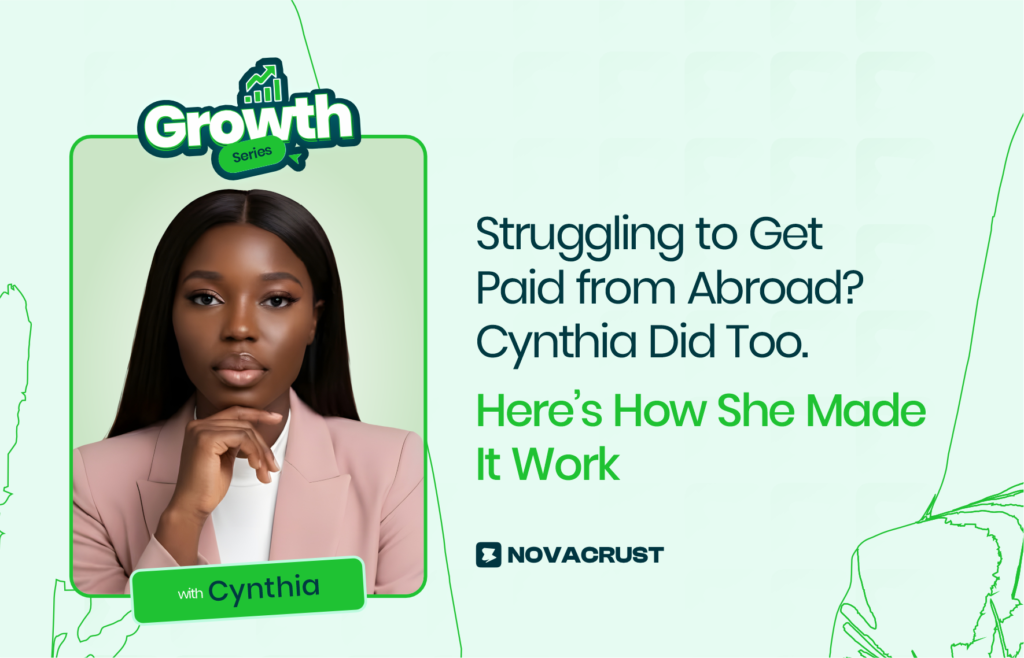
Struggling to Get Paid from Abroad? Cynthia Did Too. Here’s How She Made It Work

From unpaid gigs to managing international clients, Cynthia shares the lessons, struggles, and solutions that helped her build a global freelance career

Can you briefly introduce yourself and tell us what you do?

I am Cynthia Ozumba, an Executive Operations Assistant and an Online Business Manager (OBM). I help brands with systems, automation, and coaching.

I work with clients across different parts of the world, offering services like administrative support, virtual assistance, and system optimization.

I started with writing and social media management, but over time, I transitioned into operations and executive support, which is my current focus.

How did your journey into the digital or creative space begin?

My journey began with writing for coaches creating copy for seminars, courses, and marketing campaigns. I realized I could help clients manage their online presence while building my own skills.

From there, I transitioned into social media management and virtual assistance. I noticed I could scale my services and offer more value to clients. Over time, this led me to become an Executive Operations Assistant, managing multiple international clients with diverse needs.

What first inspired you to start building your career online?

I realized that even posting once a week on LinkedIn or Facebook could resonate with people. I would get questions, DMs, and requests for advice.

I thought: Why hide my journey when I can actually build a brand around my experience and knowledge?

So I started sharing my insights, my career path, and what I was learning. My goal was to create a space where people could gain knowledge and experience to succeed in their own online careers.

What were some of the biggest challenges you faced when you were just starting out?

Starting out came with many challenges:

  • Confidence: I struggled to present myself well in interviews, especially with international clients. Sometimes my speech would falter, or I would feel unsure of myself.
  • Positioning: Being Nigerian presented its own hurdles. Many clients and platforms had doubts about hiring talent from Africa, so I had to prove my skills and professionalism.
  • Payment issues: In the early stages of my journey, there were limited options for receiving international payments. I had to manually arrange payments through platforms like Payoneer or bank transfers, which wasn’t always smooth.

Despite these challenges, I stayed consistent, learned quickly, and kept improving.

Was there a particular moment or opportunity that really changed things for you?

Yes. One breakthrough came when a client reached out after seeing my comments on LinkedIn. She needed temporary help because she was about to have her first baby. I took a three-week assignment, and that became my first real international paid experience.

Before this, I had done volunteer work or small local gigs. That opportunity gave me credibility, confidence, and a portfolio that opened doors to other international clients.

Many young Africans want to work online today. From your experience, what do you think is the biggest mistake beginners make?

The biggest mistake beginners make isn’t always a lack of skill it’s:

  • Poor positioning: They know the work but can’t package themselves for clients.
  • Seeking quick money: Many expect high pay without putting in consistent effort.
  • Underestimating perception barriers: Being from Africa, clients may question reliability or skill.

Beginners often focus on the wrong things instead of building their brand, skillset, and visibility.

Have you ever had moments where things were slow or discouraging? How did you push through them?

Absolutely. There were months when I applied for multiple jobs without getting any offers. At times, I faced rejections or limited opportunities.

I pushed through by keeping a mindset of persistence: treating every “no” as data, not failure. I reminded myself of my skills and value, kept learning, and diversified the platforms I applied onUpwork, LinkedIn, Contra, GetMagic, etc.

Have you worked with international clients or global teams before?

Yes, I have worked with clients across different countries including the UK, USA, Germany, Australia, and Canada.

What has that experience been like for you?

Working internationally gave me exposure I couldn’t have gained locally. I’ve learned how to manage people, work across different time zones, and adapt to different communication styles. It has helped me grow professionally and understand how global businesses operate.

One challenge many freelancers face is getting paid by international clients. Have you ever experienced any issues receiving payments from outside your country?

Yes. Early on, payment issues were a major challenge. Platforms were limited, and clients often had difficulty sending money.

How did you handle those payment challenges at the time?

I arranged alternative payment methods manually Payoneer, bank transfers, and later, platforms that simplified receiving USD or crypto payments. I learned to communicate clearly with clients and provide multiple payment options.

In your opinion, how important is it for freelancers and digital creators to have access to a reliable dollar payment account?

It’s crucial. Reliable dollar accounts allow freelancers to receive payments quickly, manage earnings, and work confidently with global clients without worrying about lost or delayed payments.

Do you think payment limitations affect how African freelancers work with global clients?

Absolutely. Payment restrictions limit opportunities, reduce trust, and can discourage talented freelancers from pursuing global work. Having access to platforms that make payments seamless is a game-changer.

Platforms like Novacrust are trying to make international payments easier for freelancers and digital service providers. What are your thoughts on solutions like this?

I think platforms like Novacrust are excellent initiatives. Linking accounts from Upwork, Fiverr, and other platforms allows freelancers to receive international payments easily, even in Nigeria. This reduces barriers, improves trust, and empowers African freelancers to compete globally.

If someone wants to start working with international clients today, what are a few things they should prepare for?

  1. Get a high-income skill: Focus on skills clients need, not what friends suggest.
  2. Optimize your profile: LinkedIn, portfolio, and resume should be professional.
  3. Build a strong portfolio: Clients decide based on what they see, not personal meetings.
  4. Give it time: Treat “no” as data, not failure.
  5. Diversify platforms: Don’t put all eggs in one basket—Upwork, LinkedIn, Contra, GetMagic, etc.
  6. Set boundaries: Protect your time, respect yourself, and gain hands-on experience.

What keeps you grounded when the journey becomes difficult?

My “why.”

I constantly remind myself of the reason I started, the goals I have, and the kind of life I want to build. That purpose keeps me going even when things get difficult.

If you could go back and advise your younger self at the beginning of your career, what would you say?

  • Don’t be afraid to ask for help.
  • Don’t be ashamed of charging your worth.
  • Build confidence and put yourself out there, even for small opportunities.

Finally, what one honest truth would you share with young creators and freelancers in Africa who want to build a global career?

Imagine being awake while your own country is asleep. Opportunities abroad require consistent effort, patience, and resilience. Focus on building skills, positioning yourself well, and creating value. Success doesn’t come overnight, but if you stay persistent and confident, you can compete on a global level.

Cynthia’s journey proves that resilience, skill-building, and strategic action are the keys to success. Start small, optimize your profile, diversify your client base, and never underestimate the power of persistence. Working with international clients is not just a dream it’s achievable for African freelancers with the right approach.

Top 5 Benefits of Virtual Cards for Freelancers in Africa

Top 5 Benefits of Virtual Cards for Freelancers in Africa