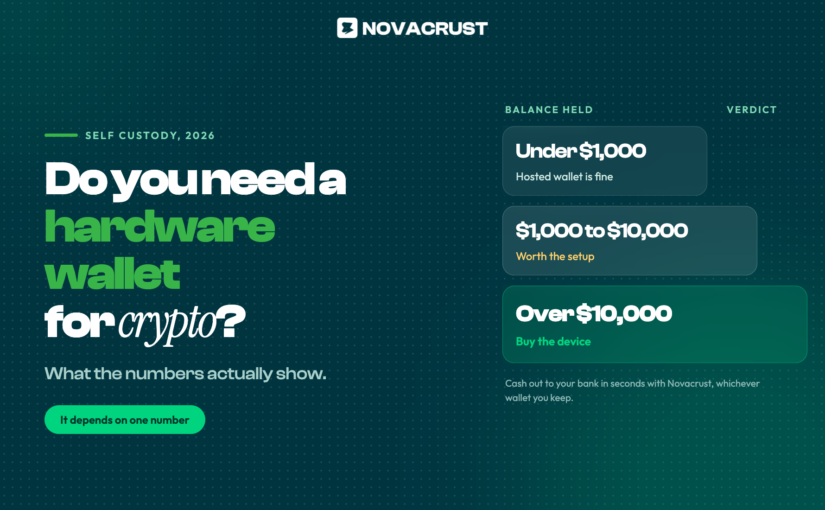
Do You Need a Hardware Wallet for Crypto? What the Numbers Actually Show (2026)

Crypto hacks and scams cost people more than $2.37 billion in the first six months of 2025 alone, a 66% jump from the year before. That number is usually the moment someone starts googling “hardware wallet,” convinced that a $70 USB stick is the only thing standing between them and disaster. It helps, but not in the way most buyers think, and it comes with a tradeoff nobody puts on the box.

What a hardware wallet actually protects you from

A hardware wallet is a small physical device that stores your private keys offline and signs transactions without ever exposing those keys to the internet. Even if your phone or laptop is compromised with malware, the keys never leave the device. That’s the whole pitch, and it’s a real one.

The numbers back it up. Wallets that use hardware key storage with air-gapped signing report incident rates under 5%. Software-only wallets, the kind that live entirely as an app on your phone, sit above 15%. If your threat model is “malware on my device” or “a phishing site tricking me into signing something,” a hardware wallet closes that gap better than almost anything else available.

The tradeoff nobody mentions

Here’s the part the marketing skips: hardware wallets don’t reduce risk, they relocate it. Instead of trusting a company to protect your funds, you’re trusting yourself to never lose a 12 to 24 word recovery phrase, never damage the device beyond recovery, and never mix up which piece of paper it’s written on.

That risk is not hypothetical. Chainalysis estimates that somewhere between 2.3 million and 3.7 million Bitcoin, roughly 11 to 18% of the entire fixed supply, is permanently lost. Not stolen: lost. Forgotten passwords, discarded hard drives, seed phrases nobody could find again. There’s no customer support line for a lost recovery phrase. If it’s gone, the funds are gone with it.

So who actually needs one?

A hardware wallet earns its cost and hassle for a specific kind of user:

  • You’re holding a large amount long term. If you’re not touching the funds for months or years, the inconvenience of a hardware device matters less than the security upgrade.
  • You’re comfortable being your own bank. No support desk, no password reset, no fraud department. If your phone breaks and your seed phrase is also gone, that’s the whole story.
  • You already understand wallet security basics. Our breakdown of custodial versus non-custodial wallets is worth reading first if any of this is new.

For everyone else, especially people buying and selling USDT or USDC regularly to move money, pay for something, or convert to local currency, a hardware wallet adds friction without adding much practical protection. You’d still need to plug it in, confirm each transaction on a small screen, and manage a recovery phrase for funds that don’t sit still long enough to benefit from cold storage.

The middle ground most people actually want

Most of the “hardware wallet or nothing” framing skips the option in between: a custodial platform that handles key security on its own infrastructure while you keep control of when and where your money moves. You lose the do-it-yourself independence, but you also lose the single point of failure that a lost seed phrase represents. There’s no recovery phrase to misplace because there’s no recovery phrase in your hands at all.

That’s the tradeoff worth making for anyone using crypto as a way to receive, hold briefly, and move money rather than as a long-term vault. If you’re new to buying USDT this way, our guide to buying USDT safely covers the basics, and if you’re specifically weighing options while living somewhere without a local exchange, this FAQ on crypto wallet safety in emerging markets answers the questions that come up most.

How to decide in under a minute

Ask yourself three questions:

  1. Am I holding this for years, or moving it within days or weeks?
  2. Would I rather manage my own recovery phrase, or never have one to lose?
  3. Is my main risk a hacked device, or a lost one?

Long-term holder worried about hacks: get a hardware wallet. Everyone else, especially anyone using crypto to send, receive, or convert money regularly: a well-secured custodial platform removes the seed phrase risk entirely, which for most people is the bigger danger day to day.

You can buy and sell USDT, USDC, BTC, ETH, SOL, and more directly on Novacrust without ever generating a seed phrase to lose. See how it works for crypto buyers in Nigeria as one example of how the process looks in practice.

FAQ

Is a hardware wallet 100% safe?
No. It protects against remote hacking very well, but it does nothing to protect against a lost or damaged device with no backup, and it doesn’t stop you from being tricked into signing a malicious transaction if you don’t check what you’re approving.

What happens if I lose my hardware wallet?
As long as you still have your recovery phrase, you can restore your funds to a new device. If you’ve lost both the device and the phrase, the funds are permanently inaccessible. There’s no support team that can reverse this.

Do I need a hardware wallet to use Novacrust?
No. Novacrust handles key security on its own infrastructure, so you can buy, sell, and hold USDT, USDC, and other supported crypto without managing a hardware device or a recovery phrase.

Is a custodial wallet less secure than a hardware wallet?
They protect against different things. A hardware wallet is stronger against remote hacking of an individual device. A well-run custodial platform removes the risk of losing your own keys, which is responsible for a large share of permanently lost crypto industry-wide.

What’s the biggest mistake people make with hardware wallets?
Storing the recovery phrase in only one place, often a photo on their phone, which defeats the purpose of taking keys offline in the first place. If you go the hardware route, the recovery phrase needs its own separate, offline backup.

Sign up to get started on Novacrust here.
Crypto Wallet Safety in Emerging Markets: The Questions People Actually Ask (2026)

One hack in 2023 emptied more than $100 million from Atomic Wallet users in a single incident, traced back to North Korea’s Lazarus Group. Meanwhile, hardware wallets from a single company, Ledger, now secure more than 20 percent of all the crypto value in the world. The gap between those two numbers is basically the whole case for choosing your wallet carefully, especially if you’re buying your first USDT from Lilongwe, Lusaka, or Port of Spain instead of San Francisco or London.

If you’re setting up a crypto wallet somewhere without a big local exchange scene, the basic questions rarely get answered simply. Here they are, straight, in the order people actually ask them.

Custodial or non-custodial: which one should you start with?

A custodial wallet, like the one built into Novacrust, holds your keys for you and lets you recover access if you lose your password. A non-custodial wallet puts you in full control, and full responsibility, since nobody can recover it for you if the recovery phrase is lost. Most people buying their first USDT or BTC are better off starting custodial, and moving funds to a non-custodial wallet later once they understand the tradeoffs. We cover this decision in more depth in our guide to custodial vs non-custodial wallets.

The questions people actually ask

Is it safe to buy USDT through P2P if there’s no official exchange in my country?
It can work, but P2P trading puts you at the mercy of a stranger’s word on both the rate and whether they’ll actually release the crypto after you pay. A platform that shows you the rate and network before you confirm removes most of that risk. Our guide to buying USDT safely in emerging markets walks through what to check before you trust a P2P seller.

Do I need a hardware wallet to get started, or is a custodial wallet fine?
A hardware wallet is worth it once you’re holding an amount you’d genuinely be upset to lose, generally more than you’d carry around in cash. Below that, a reputable custodial wallet with account recovery is a reasonable place to start, since the biggest real-world risk for beginners is losing access, not a wallet provider getting hacked.

What’s the single biggest risk when I’m setting up a wallet somewhere without a local exchange?
Fake apps and fake customer support. When there’s no local exchange to walk into, people search harder for help online, and that’s exactly where scammers set up fake wallet apps and fake “support agents” who ask for your recovery phrase. No legitimate wallet or exchange support agent will ever ask for it.

What should I never share, even with someone claiming to help me recover my wallet?
Your recovery phrase (also called a seed phrase) and your private keys. Anyone who has them has full, permanent access to your funds. A real support agent can help you troubleshoot an app; they can never ask for or need your recovery phrase to do it.

How do I know if a wallet app is legitimate before I download it?
Check that it’s listed on the official website of the coin or exchange you’re using, not just found through a search ad or a link someone sent you. Look at the download count and review history on the app store, and be suspicious of any wallet app released in the last few weeks with an unusually high number of five-star reviews.

What happens if I lose my recovery phrase?
On a non-custodial wallet, the funds are gone permanently. There’s no password reset and no customer support line that can restore it. That’s exactly why a custodial option, where a real support team can verify your identity and help you regain access, is worth considering while you’re still learning.

Which network should I use to send or receive USDT?
It depends on speed and fees, and the two most common networks work differently enough that sending to the wrong one can cost you the transfer entirely. Our breakdown of TRC20 vs ERC20 covers which one to pick and why.

Which apps do people in Africa actually use to buy and sell USDT and USDC?
Options include Yellow Card, Quidax, Busha, Binance P2P, and Novacrust, each with different strengths on rate, speed, and country coverage. Our comparison of the best apps to buy and sell USDT and USDC in Africa breaks down what to check before picking one.

Start with a wallet that shows you what’s happening

You shouldn’t need to guess which network you’re sending on, or trust a stranger’s word on the rate, just because there’s no local exchange nearby. Buy and hold USDT, USDC, BTC, ETH, SOL, and more on Novacrust, with the rate and network shown before you confirm anything.

Sign up to get started on Novacrust here.
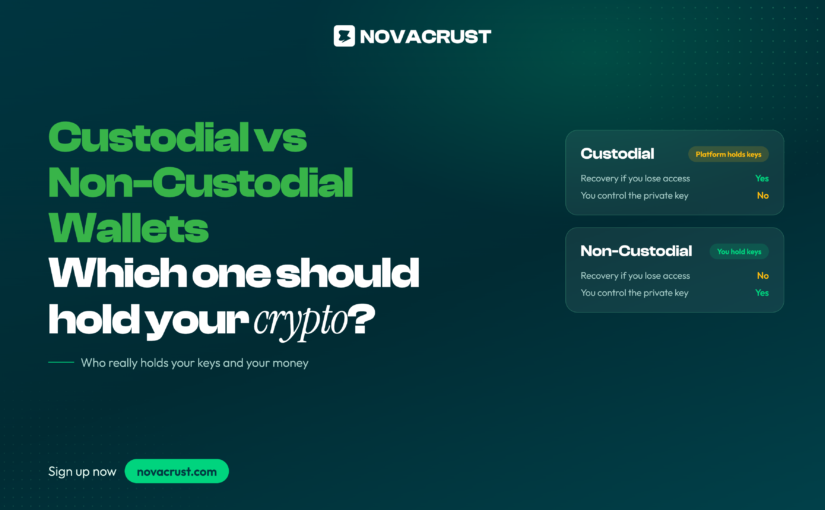
Custodial vs Non-Custodial Wallets: Which One Should Hold Your Crypto?

Crypto theft hit $3.4 billion in 2025, and the FBI puts crypto related fraud losses at a record $11.4 billion for the same year. Most of that money didn’t disappear because blockchains got hacked. It disappeared because someone lost control of a private key, trusted the wrong app, or sent funds to a wallet with no recovery option. The question of who actually holds your keys, you or a platform, is the single biggest safety decision you make when you buy or sell crypto.

That question has a name: custodial versus non-custodial. Here’s what each one actually means, and how to decide which one fits how you use crypto.

What “custodial” and “non-custodial” actually mean

A custodial wallet is one where a platform holds your private keys on your behalf, the same way a bank holds your cash. You log in with a password, and the platform moves funds for you. A non-custodial wallet is one where you hold your own private keys, usually as a 12 or 24 word recovery phrase, and no company can freeze, recover, or move your funds without you.

The crypto community sums up the tradeoff in one phrase: not your keys, not your coins. It’s a fair warning, but it’s not the whole story. Self custody removes a third party from the equation. It also removes the safety net that third party provides. Ledger’s academy breaks down the mechanics in more depth if you want the full technical picture.

Six rules for picking the right type of wallet

  1. Match the wallet to how often you trade. If you’re buying and selling regularly, a custodial platform with fast, in-app execution beats moving funds to a separate wallet every time.
  2. Match it to how much you’re holding. Small, active balances are fine in a custodial account. Large amounts you don’t plan to touch for months are usually safer under your own keys, split across secure backups.
  3. Know what happens if you forget your password or phrase. A custodial platform can usually help you recover account access. A lost recovery phrase on a non-custodial wallet is gone for good. There’s no support line that gets it back.
  4. Check who’s actually licensed. A custodial platform with clear regulatory standing gives you recourse if something goes wrong. An anonymous wallet provider or unregulated exchange gives you none.
  5. Never store your recovery phrase digitally. Not in a notes app, not in a photo, not in an email draft. Screenshots and cloud backups are exactly what attackers search for.
  6. Test with a small amount first. Whether you’re trying a new custodial platform or setting up your first non-custodial wallet, send a small amount through before you commit your full balance.

Custodial vs non-custodial, side by side

Factor Custodial Non-custodial
Who holds the keys The platform You
Account recovery Usually possible Not possible without your phrase
Speed for buying/selling Fast, in-app Slower, needs a transfer step
Best for Active trading, everyday use Long-term storage, large balances
Biggest risk Platform gets hacked or mismanaged You lose your phrase or get phished

Where Novacrust fits

Novacrust runs as a custodial platform. When you buy or sell USDT, USDC, BTC, ETH, SOL, and more, your funds sit in your Novacrust wallet, and the platform handles the key management and network security behind the scenes. That’s the same tradeoff every custodial exchange makes: convenience and recovery options, in exchange for trusting the platform’s security.

If you’re actively trading, converting to local currency, or moving funds between crypto and a USD Account, a custodial setup like Novacrust removes the extra step of managing your own keys for every transaction. We’ve covered how to avoid the P2P scams that catch people buying USDT the hard way, and how the major buy/sell apps compare if you’re still choosing a platform.

When a non-custodial wallet still makes sense

If you’re holding a large balance for months or years, want direct interaction with decentralized apps, or simply don’t want any third party able to freeze your funds, a non-custodial wallet is the right tool. Many people run both: a custodial platform for active buying, selling, and spending, and a non-custodial wallet for savings they don’t touch often. If you move funds between the two, always double check the network before you send. Sending USDT on the wrong network is one of the most common ways people lose funds that has nothing to do with hacking at all, which is why picking the right network matters as much as picking the right wallet.

FAQ

Is Coinbase a custodial or non-custodial wallet?

The main Coinbase exchange account is custodial. Coinbase Wallet, a separate app, is non-custodial and gives you your own keys.

Is Trust Wallet custodial or non-custodial?

Trust Wallet is non-custodial. You control the recovery phrase, and no company can restore access if you lose it.

Are non-custodial wallets safer than custodial ones?

Neither is universally safer. Non-custodial wallets remove platform risk but add personal responsibility for keeping your keys secure. Custodial platforms remove that responsibility but concentrate risk on the platform’s own security.

What happens if I lose my non-custodial wallet’s recovery phrase?

Your funds become permanently inaccessible. There’s no password reset and no support team that can recover it, which is why backing up your phrase correctly matters more than almost anything else in crypto.

Can I move funds between a custodial platform and a non-custodial wallet?

Yes. Most people do exactly this: buy or sell on a custodial platform like Novacrust, then withdraw to a non-custodial wallet for longer-term storage. Just confirm the network matches on both ends before you send.

Buy and sell crypto without managing your own keys

Novacrust handles the custody, security, and network checks so you can buy, sell, and hold USDT, USDC, BTC, ETH, SOL, and more without setting up a separate wallet first. Sign up to get started on Novacrust here.
Bitcoin, Solana, Tron, Ethereum, and More Are Now on Novacrust!

Stablecoins were never going to be enough.

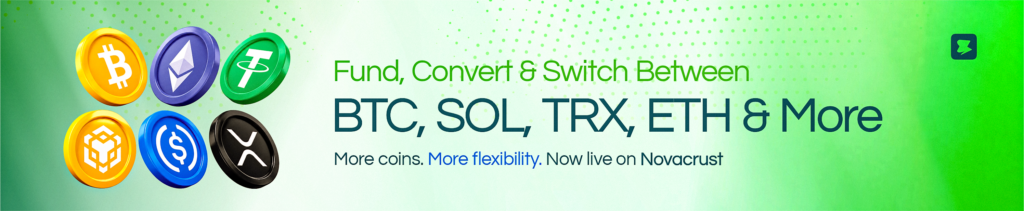
We already gave you USDC and USDT funding and payouts, and you used it well. Now, we are expanding that even further. Bitcoin, Solana, Tron, Ethereum, and more crypto options are officially live on Novacrust, giving you even more flexibility to fund, save, and move money the way that works best for you.

Why We Expanded

Stablecoins solved a real problem: fast and predictable funding without the volatility headache. But not everyone holds their value in stablecoins. Some of you hold Bitcoin. Some prefer Ethereum. Some move funds through Solana or Tron because the network fees are lower and the speed works for you. Limiting Novacrust to just two coins meant leaving a huge part of how our users actually hold and move crypto outside the platform.

That changes today.

What You Can Now Do

Fund your USD Account using Bitcoin, Ethereum, Solana, Tron, and other supported coins, across multiple networks for faster confirmation.

Payout in your crypto of choice instead of being restricted to stablecoins alone.

Hold a mix of crypto and stablecoins inside your Novacrust wallet based on what works for your strategy.

Convert any supported coin to local currency and send it straight to your bank account or mobile money wallet across supported countries.

How to Fund or Withdraw With Your Preferred Coin

Getting started takes a few simple steps:

To help you get started, here’s a quick guide on how to access and use USDC and USDT on Novacrust:

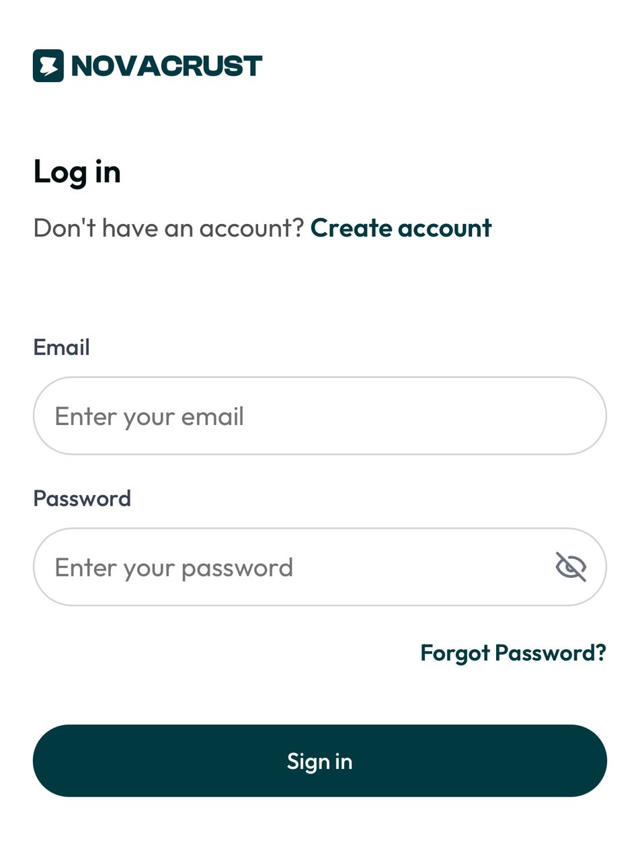
Step 1: Sign in to your novacrust.com account

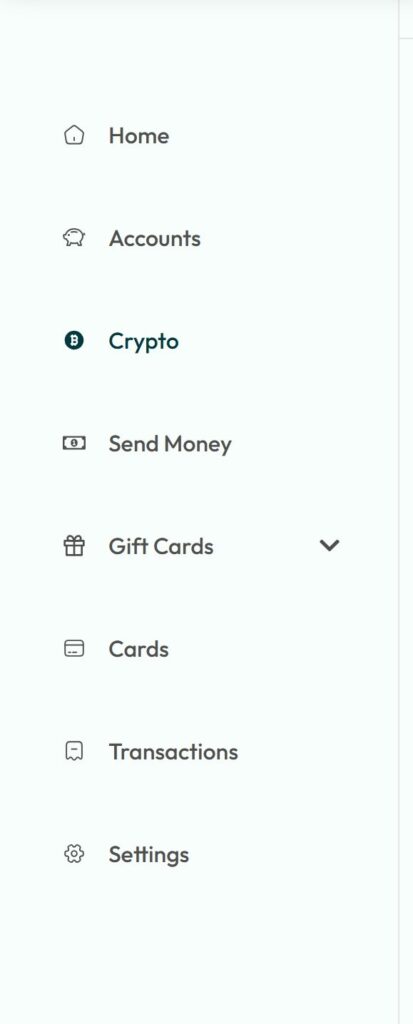
2. Go to your dashboard and click on Crypto.

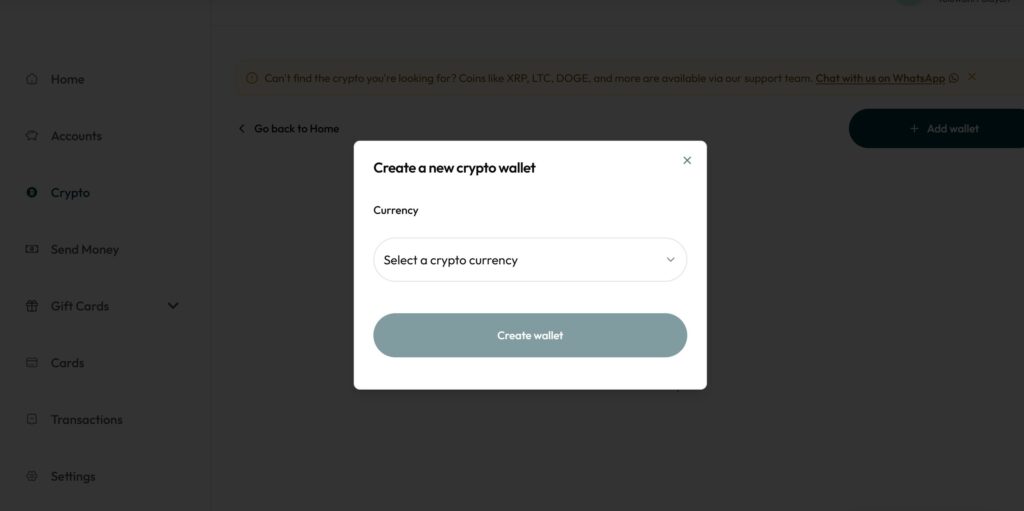
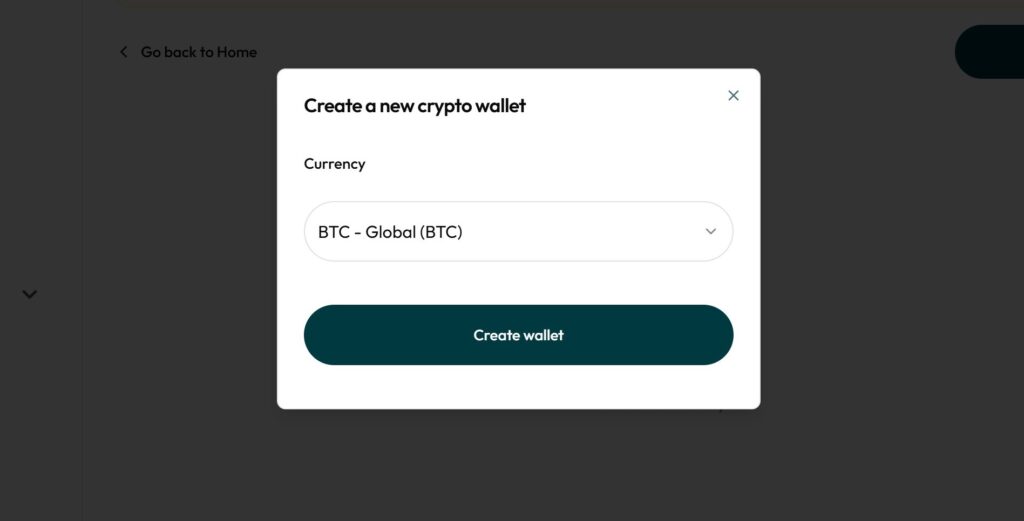
3. Click on Add wallet.

4. Select your preferred currency network and create a wallet.

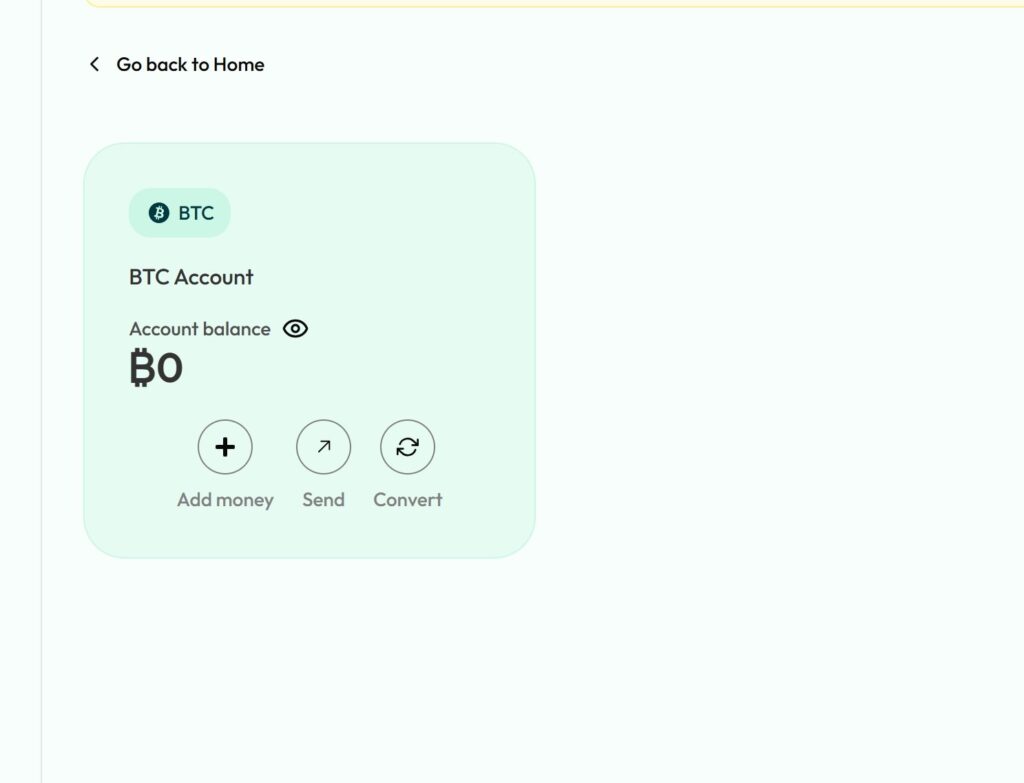
5. Your wallet is created. Add money, send, or convert to complete your payment.

Built for However You Hold Your Money

Crypto users in Africa are not all the same. Some are traders. Some are remote workers getting paid in Bitcoin. Some are long-term holders who only convert when they need cash. Novacrust now meets you wherever you fall on that spectrum, without forcing you into stablecoins if that is not how you operate.

This is just the next step in making Novacrust the platform that adapts to how you actually use crypto, not the other way around.

Sign up at Novacrust | Send/Receive Money, Crypto & Gift Cards for Individuals & Businesses to start funding with the coin of your choice today.

Novacrust Joins the Circle Alliance Program

Novacrust joins circle Alliance Program

We are excited to announce that Novacrust has officially joined the Circle Alliance Program, a prestigious global network of innovative organizations reshaping the future of digital finance and cross-border payments.

The Circle Alliance Program brings together industry pioneers and technology leaders committed to advancing the adoption of USDC and building accessible, transparent digital financial infrastructure worldwide. As part of this ecosystem, Novacrust will collaborate with fellow innovators, explore new possibilities for stablecoin-powered payments, and contribute to creating a more inclusive financial system for Africa and beyond.

What is the Circle Alliance Program?

The Circle Alliance Program is Circle’s initiative to unite forward-thinking companies across fintech, blockchain, and digital finance sectors. Members of this alliance work together to expand financial inclusion, enhance cross-border payment systems, and unlock the full potential of USDC and Web3 services.

Being part of this network means Novacrust will:

  • Collaborate with Global Innovators: Connect with industry leaders and technology partners building the next generation of financial infrastructure
  • Access Expert Resources: Engage directly with Circle’s Product, Engineering, Ventures, Policy, and Developer teams through dedicated support and members-only events
  • Drive Real-World Impact: Explore new use cases for USDC integration that solve actual payment challenges facing individuals and businesses across Africa
  • Enhance Visibility: Gain recognition through the Circle Alliance Directory alongside prominent players in fintech, enterprise, and DeFi sectors
  • Shape the Future: Contribute insights and feedback that influence the development of Circle’s products and the broader digital finance ecosystem

Why This Matters for Novacrust

At Novacrust, our mission has always been to enable individuals and businesses across Africa to get paid, spend, and make payments reliably and instantly. Joining the Circle Alliance Program strengthens our ability to deliver on this promise by connecting us with the infrastructure, expertise, and network necessary to scale our impact.

This partnership aligns perfectly with our core offerings:

Enhanced Cross-Border Payments

With Circle’s robust USDC infrastructure, we can further optimize our cross-border payment services, ensuring money reaches local accounts, mobile money wallets, and global accounts within minutes not days.

Stablecoin Integration

USDC support across multiple blockchains including Base, Ethereum, Polygon PoS, OP Mainnet, and Celo enables us to provide our customers with more options for receiving, spending, and converting digital assets seamlessly.

Global Account Services

Our USD, EUR, and GBP accounts benefit from Circle’s transparent and compliant ecosystem, allowing customers to fund their accounts flexibly and transact with confidence.

Virtual Card Solutions

Integrating USDC with our virtual card services means customers can fund cards in stablecoins and spend globally with lower currency conversion costs and faster settlement times.

What’s Next

Joining the Circle Alliance Program marks a significant milestone in Novacrust’s journey to revolutionize payments across Africa. This partnership opens doors to:

  • Product Innovation: Collaborate on new features and services that leverage USDC’s stability and Circle’s technology
  • Expanded Reach: Access to Circle’s global network and potential co-marketing opportunities to amplify our impact
  • Regulatory Excellence: Benefit from Circle’s compliance expertise as we navigate the evolving digital asset regulatory landscape
  • Community Engagement: Connect with other Alliance members to share insights, best practices, and explore partnership opportunities

We’re committed to leveraging this partnership to enhance our platform, reduce transaction costs for our customers, and bring the benefits of digital finance to more individuals and businesses across Africa and beyond.

About Novacrust

Novacrust is an all-in-one platform that empowers individuals and businesses across Africa with:

  • Cross-Border Payments: Send money to local accounts, mobile money, and global accounts within 5 minutes
  • Global Accounts: USD, EUR, and GBP accounts with flexible funding options
  • Off-Ramp Services: Receive payments from U.S. banks, Payoneer, Stripe, PayPal, and other major platforms
  • Crypto Support: Receive, spend, and convert crypto to cash seamlessly
  • Virtual Cards: Fund in local currency or stablecoins and spend globally
  • OTC Services: Quick off-ramping from Zelle, PayPal, CashApp, and Revolut
  • Savings Solutions: Earn and preserve value through diverse fiat and DeFi channels

Learn more about the Circle Alliance Program: Circle Alliance Program

Visit our Circle Alliance Directory listing: Novacrust on Circle Partners

Connect with us: novacrust.com

Stay tuned for more updates as we continue building the future of cross-border payments and financial inclusion across Africa.